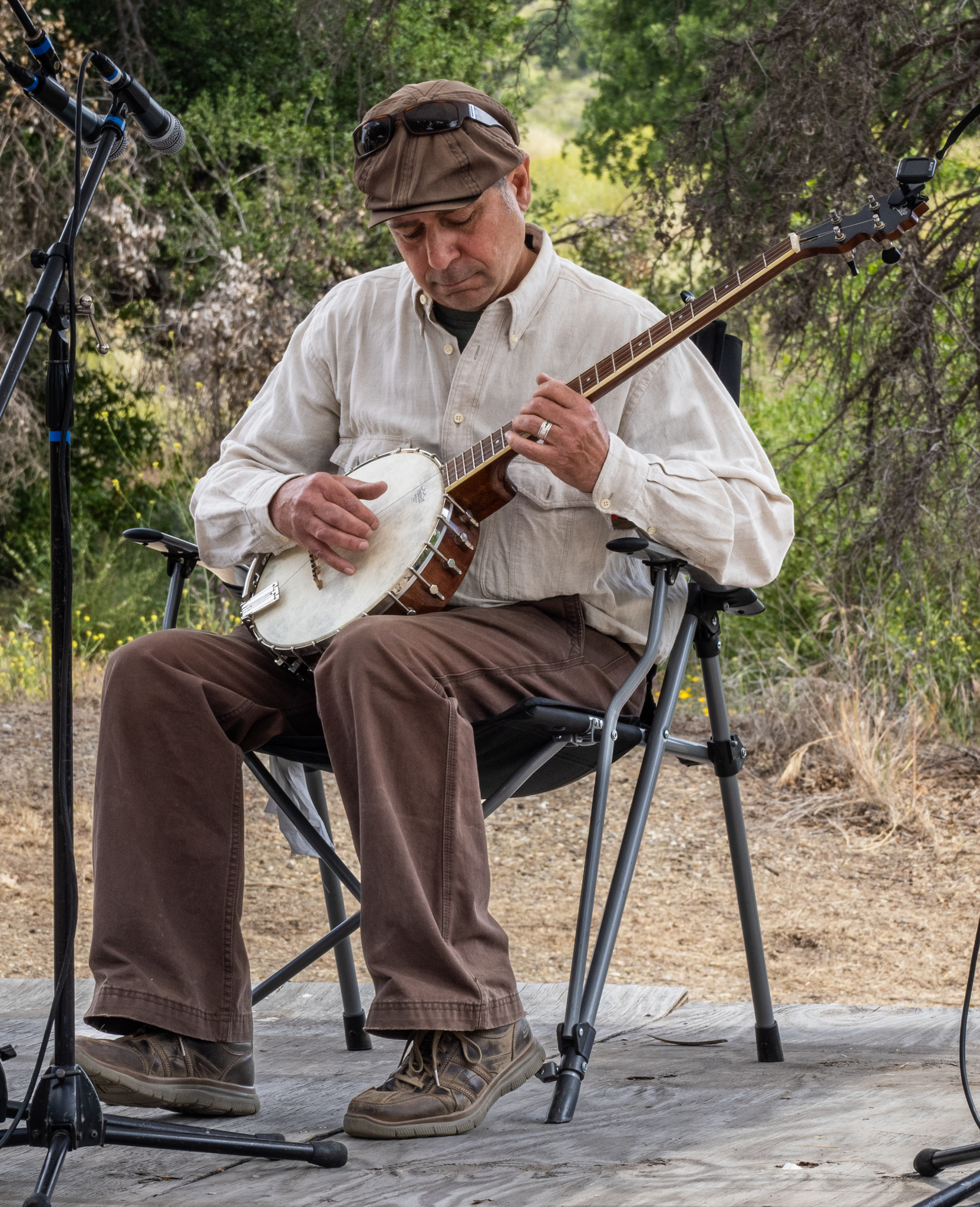
The Importance of Collaboration in Bluegrass Music
Bluegrass doesn’t get good in isolation—collaboration is the ignition system. When players swap roles, trade licks, and reshuffle arrangements in real time, the music stops being “a song” and becomes “a shared event.”
If you’re searching for this topic, you probably have questions like: What makes collaboration different in bluegrass? How do jam sessions actually work (beyond vibes)? Which collaborations matter—and why? As the Smithsonian notes, bluegrass is a living tradition shaped by musicians and communities, not a museum piece.
Collaboration is one of the few “methods” that consistently improves the output: tighter timing, better phrasing, and more memorable arrangements. Folk music scholars also emphasize how community practice and shared performance contexts sustain genres over time (see the Library of Congress essays on American musical styles).
In this guide, you’ll learn what “collaboration” really means in bluegrass, how songwriting and arranging benefit from other voices, how jam sessions reduce musical conflict, and which kinds of partnerships tend to push the genre forward.
Collaborative Songwriting: More Than “Let’s Write Something”
Bluegrass songwriting is often treated like a solo sport. It isn’t. Collaboration shows up in at least three places:
- Lyric refinement: One writer drafts; another pressure-tests the story, meter, and singability.
- Melodic and harmonic decisions: Tunes that “fit” the voice and the chord movement usually get shaped with other players in mind.
- Arrangement translation: A great lyric or melody still has to survive instrumentation—banjo roll patterns, fiddle bowing style, and guitar rhythm all have constraints.
Here’s the blunt rule: if collaborators disagree, they’re doing useful work. The disagreement reveals hidden assumptions—tempo expectations, accent locations, or which lines can bear improvisation without collapsing the form.
Practical collaboration techniques
| Collaboration step | What it fixes | Example outcome |
|---|---|---|
| Write a first draft as “structure only” | Stops perfectionism from blocking iteration | Verse/chorus order becomes stable |
| Swap leads and sing through together | Reveals phrasing and breathe points | Lines start landing more naturally |
| Assign “instrument tests” | Checks playability | Banjo pattern and fiddle tags stop fighting the rhythm |
If you want a baseline on what bluegrass structures often emphasize, start with the genre histories compiled by trusted archives like Library of Congress.
Jam Sessions: Where Collaboration Gets Automatic (If You Don’t Break It)
Jam sessions look spontaneous. They’re not, at least not musically. Most successful jams are collaborative systems with rules everyone half-knows.

First diagnostic step: before you add notes, effects, or “new ideas,” check the jam’s shared reference. Are you all treating the same tempo and form? If the answer is “no,” you don’t need more creativity—you need coordination.
Common jam roles that make collaboration work:
- Time anchor: Guitar or bass keeps the grid steady.
- Melodic lead: Fiddle or mandolin brings the contour so others can lock on.
- Rhythmic punctuation: Banjo picks and rhythmic fills that don’t steal the beat.
- Support + variation: Everyone adds tags, but not at random—variation is routed through the shared form.
How to contribute without wrecking the groove
- Choose your battles: pick one thing to change (tempo feel, a tag, or a vocal phrasing), not all three.
- Use “call-and-check”: play the lick; listen for whether the group follows it cleanly.
- Back up the lead: if the lead is asking a question (a phrase that feels incomplete), answer it musically instead of overlaying a new sentence.
Also: jam dynamics are social mechanics. If someone keeps stepping on transitions, the issue is usually process, not personality.
Influential Collaborations: Why Some Partnerships Reshape the Genre
Not every collaboration matters. Some do because they create a new “transfer path” for ideas—between regional scenes, generations, or instrumental approaches.
Three recurring patterns:
- Cross-pollination of styles
A partnership blends techniques while preserving recognizability. The output sounds like bluegrass, but with an expanded toolkit. - Mentorship collaborations
More experienced players hand off licks, roles, and arrangement habits—often faster than a textbook ever could. - Community-building collaborations
Festivals, recording sessions, and regional networks act like accelerators: more players collaborate, so the music evolves with less friction.
For historical context on how musical styles develop through cultural exchange and community practice, the Smithsonian and Library of Congress collections are solid starting points.
What Collaboration Changes in Real Life (Quick Checklist)
When collaboration is working, you’ll notice measurable musical symptoms:
- Fewer “almost together” moments (timing aligns, transitions land)
- More consistent phrasing (lines follow the same accent logic)
- Better arrangement survival (the song holds up across instrument swaps and live variation)
- More memorable improvisation (tags connect to the form instead of floating)
And if collaboration fails? The symptoms are usually boring: unclear tempo reference, mismatched form, or roles that are stepping on each other. Fix the mechanism, not the mood.
Conclusion
Bluegrass collaboration isn’t a feel-good slogan—it’s a practical engine. Songwriting collaboration improves structure and playability. Jam collaboration creates shared reference points so variation stays musical. And influential partnerships move ideas across time, place, and generations.
If you’re hungry for more, start with the blog and explore how other learning guides break down the “why” behind the music. Or, if you’re planning a band moment (rehearsal, gig, or jam), skim our services for practical ways to get unstuck.