Bluegrass101
All About Everything
How Bluegrass101 monitors movement
Reports & Tracking
Bluegrass101 tracks topic momentum, recurring reader interest, and editorial opportunities so the site can publish with more context and less guesswork.
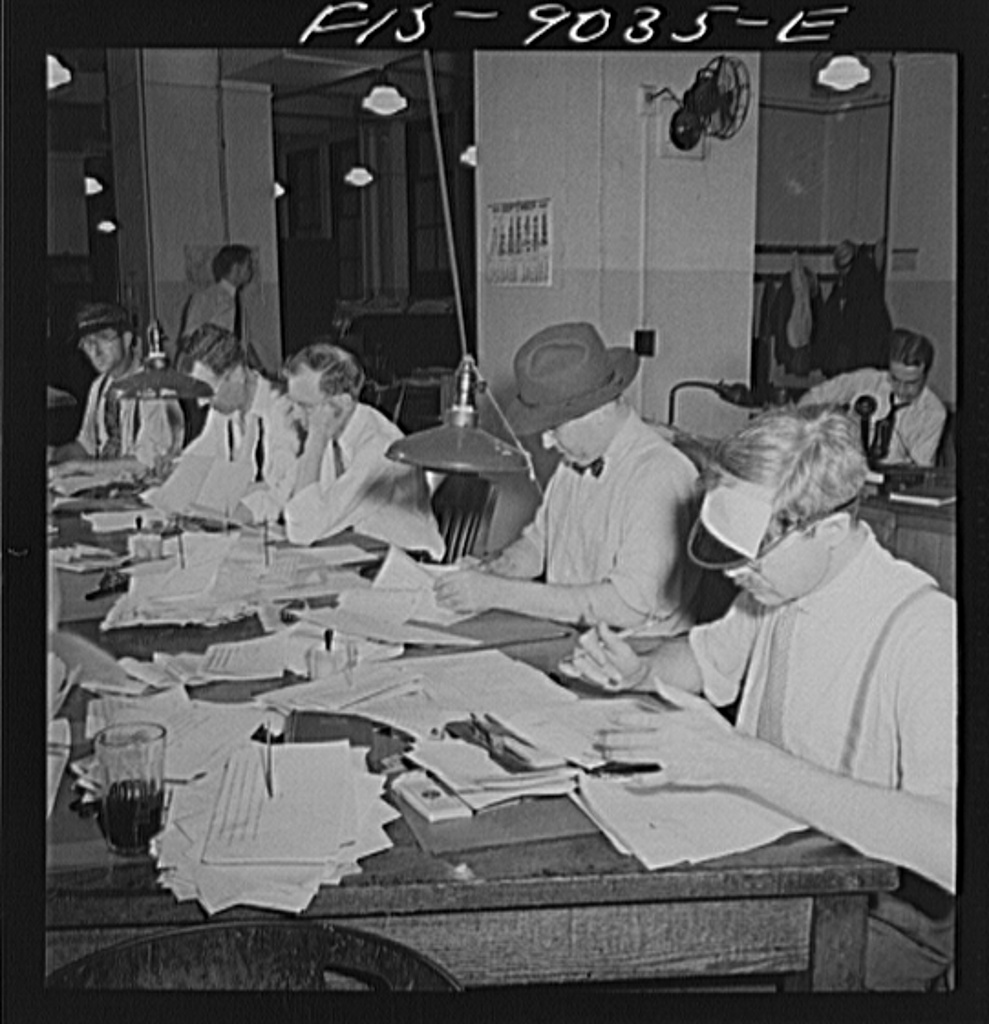
What gets tracked
Repeat visits, strong topic pull, and the questions readers keep asking.
Rising terms, seasonal behavior, and shifts visible through tools such as Google Trends.
Whether a subject matches the site voice and can be made genuinely useful.
What a report should do for a reader
A strong report should clarify the topic, show what is changing, point toward the next sensible question, and avoid inflated certainty. That is why the workflow borrows from practical audience research and journalism analysis, including references like Pew Research Center journalism studies.
The result is a cleaner path from broad curiosity to specific follow-up reading.
How internal tracking can scale
Small editorial teams often start with notes, spreadsheets, and lightweight dashboards. When those workflows grow more complex, a neutral tool like a web app generator can help prototype a custom internal board for tags, status, ownership, and follow-up research.
This is only relevant for teams that want to formalize their workflow; the public site itself stays focused on readable pages and posts.
FAQ
Are these formal analyst reports?
No. They are editorially framed topic notes designed to help readers understand what matters and what to watch next.
Do all topics get a tracking page?
No. Only subjects with enough movement, reader interest, or long-tail usefulness justify the extra work.
Can readers suggest a topic?
Yes. Use the contact page and explain the angle, audience, and reason the topic deserves attention.