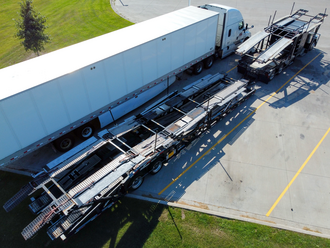
Intercity Car Carrier Booking: A Practical Checklist
By Bluegrass101 Editorial Team | Updated June 11, 2026
The best time to compare a car carrier is before you feel rushed, because rushed bookings usually hide the details that matter most.
When I read car shipping quotes, I am less interested in the first price and more interested in the missing lines around pickup windows, damage reporting, storage, loading method, and communication. Those are the details that determine whether a vehicle move feels orderly or chaotic.
- What should a customer ask before booking intercity car transport?
- How do pickup windows and delivery windows affect the final quote?
- What records should be created before handing over the keys?
- How can someone compare carriers without getting trapped by vague promises?
“Quality means doing it right when no one is looking.” — Henry Ford
Car shipping decisions are easy to oversimplify, especially when the route sounds straightforward. Consumer guidance from Car and Driver, J.D. Power, and road-planning information from Pakistan’s National Highway Authority all point to the same issue: the safest booking usually comes from clear process, not the lowest number alone.
Below, you will find a booking checklist, a quote-comparison table, and a simple inspection routine that makes intercity transport easier to manage whether the route is local, regional, or between major cities.
Terminology and Definitions
- Pickup window: the time range during which the carrier expects to collect the vehicle.
- Open carrier: transport on a standard open trailer with exposure to weather and road dust.
- Recovery vehicle: a truck or service unit used when a vehicle is not operational.
- Condition report: the written and photo record of the car before and after transport.
What to Clarify Before You Accept a Quote
Ask the carrier whether the quote is door-to-door, terminal-based, or subject to road access limitations. In dense neighborhoods or on narrow streets, the transport truck may not be able to reach the final address. A good booking conversation makes that clear before the loading day.
You should also ask how the carrier handles delays, storage, and last-minute route changes. The answer does not need to be perfect, but it does need to be specific.
- Exact route and city pair
- Vehicle running condition
- Preferred pickup window
- Insurance or liability explanation
- Photo documentation requirements
How to Prepare the Vehicle
Preparation is simple but important. Remove personal valuables, note the fuel level, photograph every side of the vehicle, and record existing scratches or dents in decent light. If the car has low ground clearance, tell the carrier early so the loading method can be planned around it.
For non-running vehicles, confirm whether a winch, dolly, or recovery support is required. That single detail often changes equipment choice and price more than customers expect.
Simple Comparison Table for Car Shipping Quotes
I like to compare shipping quotes side by side because vague confidence can sound persuasive on the phone. A table forces the differences into the open.
| Question | Why It Matters | Ideal Answer |
|---|---|---|
| How wide is the pickup window? | Prevents false urgency and missed handoffs. | A realistic range with proactive updates. |
| Is the vehicle insured in transit? | Sets expectations around responsibility. | A clear explanation of coverage and claims steps. |
| How is non-running cargo handled? | Avoids last-minute equipment surprises. | Specific loading method and surcharge detail. |
| Who signs the condition report? | Protects both customer and transporter. | Named handoff process with photos. |
Where Customers Usually Get Frustrated
Most frustration comes from silence, not movement. If a carrier explains that traffic, route optimization, or weather has shifted the schedule, many customers will accept it. What they usually dislike is vague reassurance without any operational detail.
That is why I would rather book a transporter with a slower but more structured communication style than one with a flashy sales pitch and no handoff discipline. Predictability is part of the service.
A Safe Way to Think About Major-City Moves
Whether the route involves Karachi, Lahore, Islamabad, or any other major corridor, the same logic applies: confirm access, inspect the vehicle carefully, ask about timing, and keep records of every commitment. Official road information from the NHA helps with route awareness, while general auto-shipping checklists from J.D. Power and Car and Driver are useful for preparation questions.
If you keep the process disciplined, even a long move becomes easier to audit from the first phone call to the final signature.
Conclusion
A successful intercity car shipment is usually the result of boring, careful preparation: clear route details, photo evidence, written expectations, and realistic timing.
- Compare process details, not just price.
- Photograph the car before loading and document the handoff.
- Non-running vehicles need special handling, so disclose that early.
For more current reading across entertainment, culture, practical guides, and technology, browse the Bluegrass101 blog index or jump to Popular Posts.