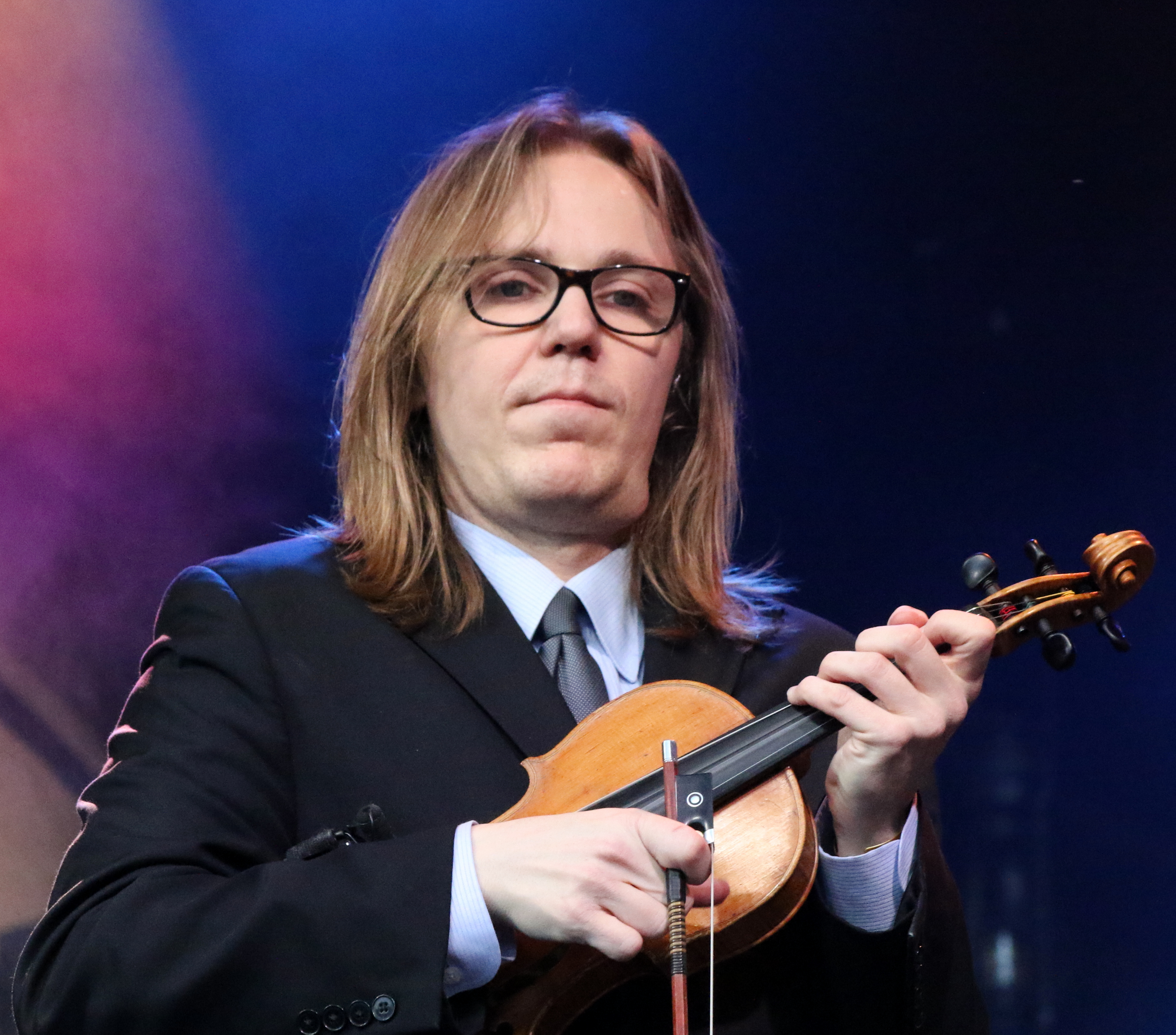
The Role of the Fiddle in Bluegrass Music
The fiddle is one of the instruments that keeps bluegrass from turning into a clean but emotionally narrow machine; it supplies lift, tension, and the singing line that holds the tradition together.
Readers usually arrive at this topic with a practical set of questions: Why does the fiddle matter so much in bluegrass? How is bluegrass fiddling different from old-time, country, or jazz playing? Which players set the standard, and what should a listener notice when the bow starts moving? Those are sensible questions, because the fiddle often does work that is easy to hear and harder to describe precisely.
Bluegrass has always depended on a disciplined acoustic balance. Bill Monroe’s band framework established a fast, precise string-band sound, while later players broadened what the instrument could do inside that structure. The historical shape of bluegrass and its core ensemble sound are documented by Smithsonian Folkways, and Appalachian State University’s overview of bluegrass fiddle style traces how the music grew out of older regional traditions while absorbing swing and jazz ideas. That combination is the key: the fiddle is both a keeper of roots and a vehicle for expansion.
By the end of this article, you will have a clear baseline for the fiddle’s history in bluegrass, the players who shaped its language, the techniques that define the style, and the reason the instrument still matters in modern bands. If you want broader context afterward, the homepage, the blog archive, and the About Bluegrass101 page are useful next stops.

Introduction: Why the Fiddle Holds So Much Weight
In a standard bluegrass lineup, the fiddle is not always the loudest instrument, but it is often the one that changes the emotional temperature of the room fastest. A mandolin chop sharpens the pulse. A banjo roll drives the engine. The fiddle, by contrast, can sing above the rhythm section, lean into a breakdown, or soften the edges of a ballad without weakening the groove.
That flexibility matters because bluegrass depends on contrast. The music needs percussive attack and sustained melody. It needs clean timekeeping and room for expressive bends, slides, and vocal-like phrasing. The fiddle is one of the few instruments in the genre that can move between those jobs without sounding misplaced.
If you remove the fiddle from bluegrass entirely, the style still survives. But one of its oldest recovery paths disappears with it. You lose a direct line back to dance tunes, rural string-band playing, and the older fiddle repertory that bluegrass inherited rather than invented from scratch.
Terminology You Should Know First
- Breakdown: a fast instrumental tune built for drive, clear rhythm, and featured solo passages.
- Double stop: two notes bowed at once, often used to thicken harmony or add punch to a phrase.
- Shuffle bowing: a patterned bow motion that creates rhythmic lift and forward momentum.
- Long bow: smoother, more sustained phrasing that supports lyrical melodies and waltzes.
- Kickoff: the opening phrase that establishes the tune or the song’s melodic identity.
- Improvisation: creating variations or new melodic lines over the chord structure instead of repeating the tune exactly.
These terms are useful because bluegrass fiddle is not one fixed sound. It is a set of choices about timing, attack, tone, and how closely a player stays to the core melody.
What the Fiddle Adds to a Bluegrass Band
| Role | What the Fiddle Does | Why It Matters |
|---|---|---|
| Melody | Carries tune lines with sustain and nuance | Keeps instrumentals and vocal turnarounds memorable |
| Rhythm | Adds pulse through bow patterns and accents | Supports drive without sounding like percussion |
| Harmony | Uses double stops and drones to widen the texture | Makes a small acoustic group sound fuller |
| Transition | Links verses, choruses, and solos with fills | Prevents arrangements from feeling abrupt or empty |
| Tradition | Connects bluegrass to older fiddle and dance repertories | Preserves the style’s Appalachian and string-band roots |
This is the central point: the fiddle does not merely decorate bluegrass. It secures continuity between the genre’s older sources and its modern performance language.
History of the Fiddle in Bluegrass
The fiddle was already deeply rooted in Appalachian and Southern folk practice long before bluegrass emerged as a named genre. Community dances, family bands, and regional repertories gave the instrument a durable place in rural music, so when bluegrass formed in the 1940s, it inherited a living fiddle tradition instead of borrowing a museum piece.
Bill Monroe’s importance here is structural. He did not invent the fiddle, and he was not primarily known as a fiddler, but he helped define the bluegrass band format in which the fiddle became a crucial lead voice. Smithsonian Folkways describes Monroe’s Blue Grass Boys as establishing the classic high-energy acoustic string-band sound, and the fiddle sat inside that design as a melodic partner to mandolin, banjo, guitar, and bass. The instrument could carry breakdowns, answer vocal phrases, and push the band forward without losing its older mountain character.
That older character mattered. Appalachian State’s guide to the emergence of bluegrass fiddle style notes that bluegrass players drew from old-time playing but did not remain confined to it. As the music professionalized and moved onto radio, records, and larger stages, fiddlers began to tighten phrasing, sharpen timing, and absorb ideas from swing, blues, and jazz. In practical terms, bluegrass fiddling became more solo-oriented, more harmonically adventurous, and more rhythmically precise than many older dance-based styles.
The result was a stable but flexible role. The fiddle continued to sound traditional, yet it could also absorb new phrasing and improvisational ideas without breaking the genre. That is one reason bluegrass has lasted: its core instruments have strong identities, but they are not locked in amber.
Key Fiddle Players Who Set the Standard
A genre becomes legible when a few players establish a reliable grammar. Bluegrass fiddle has several such figures, and each one solved a different problem inside the tradition.
Chubby Wise: early authority and tone
Chubby Wise helped define the early bluegrass fiddle sound through his work with Bill Monroe. His playing carried a strong old-time inheritance but fit the tighter, faster band setting Monroe was building. The lesson from Wise is simple: clarity under pressure matters. When bluegrass sped up, the fiddle had to remain tuneful rather than collapse into noise.
Kenny Baker: elegance without softness
Kenny Baker brought an unusually clean, singing quality to the instrument. His style is often treated as a model of tasteful bluegrass fiddling because it balances technical control with emotional restraint. He demonstrated that the fiddle did not need to oversell itself. A secure tone, exact intonation, and patient phrasing could carry as much force as flashier playing.
Vassar Clements: expansion through improvisation
Vassar Clements is one of the clearest examples of how the fiddle expanded bluegrass without abandoning it. The Bluegrass Music Hall of Fame describes him as an innovative player who worked with major bluegrass figures and helped shape what came to be known as hillbilly jazz. That description matters because it captures his real contribution: he widened the acceptable vocabulary of bluegrass fiddle by bringing in swing and jazz phrasing while keeping the sound recognizably rooted.
With Clements, improvisation became less of a side option and more of a serious artistic lane. He proved that a fiddler could stretch melody, chase rhythmic surprise, and borrow from neighboring styles without losing the bluegrass frame. Many later progressive players operate in the space he helped normalize.
Alison Krauss: precision, tone, and crossover reach
Alison Krauss is often discussed for her voice, and fairly so, but her fiddle work also showed how technical polish and understatement could broaden the audience for bluegrass. Her playing is controlled, lyrical, and highly readable to listeners outside hardcore jam culture. That matters because bluegrass survives partly by keeping its baseline intact while remaining intelligible to new ears.
Stuart Duncan and Michael Cleveland: modern virtuosity with discipline
Modern bluegrass fiddle at the highest level often circles back to players such as Stuart Duncan and Michael Cleveland. Both are associated with technical command, improvisational range, and strong ensemble instincts. The main lesson from their work is that virtuosity in bluegrass still has to serve timing, tune shape, and band context. Speed without architecture is still preventable chaos.
Techniques and Styles in Bluegrass Fiddling
Bluegrass fiddle sounds deceptively natural when it is played well. Behind that apparent ease sits a demanding technical baseline. The left hand must stay clean under tempo pressure, but the bow hand does most of the structural labor. If the bow lacks control, the tune loses drive, phrasing, and tonal stability at the same time.
Bow techniques that create drive
Bluegrass fiddlers use a range of bowing patterns, but the broad distinction is between short rhythmic attacks and longer, more legato phrases. Shuffle-based patterns can create lift and snap in breakdowns, especially when they work with the bass pulse and mandolin chop rather than against them. Longer bow strokes are useful for waltzes, slower songs, and any passage that needs a more vocal line.
The technical challenge is balance. Too much bite and the sound turns harsh. Too much smoothness and the line loses bluegrass definition. Good players manage that tension instead of choosing one extreme.
Double stops, drones, and tone color
Double stops give bluegrass fiddle much of its width. They can imply harmony, reinforce the chord structure, or make a simple melodic phrase sound more urgent. Drones do related work by letting one open string ring against a moving line. Both tools help a single fiddler sound larger than one instrument should reasonably sound in an acoustic band.
This matters in performance because bluegrass groups often rely on quick handoffs between instruments. When the fiddle comes forward, it needs enough tonal body to carry the room for a few bars on its own.
Improvisation and variation
Not every bluegrass fiddler improvises in the same proportion, but variation is central to the style. A player may state the melody once and then alter timing, add passing notes, shift bow accents, or develop new phrases on later breaks. Vassar Clements became an emblem of this broader improvisational approach, but even relatively traditional players often treat the written or remembered melody as a starting line rather than a cage.
How bluegrass differs from nearby styles
- Compared with old-time fiddling: bluegrass usually gives the player more solo space and more pressure to improvise over chord changes.
- Compared with country fiddling: bluegrass tends to sound more acoustically exposed and rhythmically lean, with fewer production layers to hide weak phrasing.
- Compared with jazz violin: bluegrass improvisation is often more tune-centered and less harmonically abstract, even when it borrows swing language.
Those comparisons are useful because they show where bluegrass sits: rooted enough to preserve recognizable melodies, open enough to reward invention.
Fiddle in Modern Bluegrass
The fiddle remains central in contemporary bluegrass because the genre still needs what the instrument uniquely supplies: melody with sustain, rhythmic bite without a drum kit, and a credible path between strict tradition and fresh phrasing. What has changed is the range of acceptable expression around that core.
Today, many leading fiddlers move comfortably between festival stages, studio sessions, teaching work, and cross-genre collaborations. The International Bluegrass Music Association’s awards history shows how visible the instrument remains in the genre, with recent Fiddle Player of the Year recognition going to players such as Maddie Denton, Deanie Richardson, Jason Carter, Bronwyn Keith-Hynes, and Michael Cleveland. That record is a practical indicator, not just a trophy list: it shows that the fiddle is still treated as a front-line voice in bluegrass, not as a heritage accessory.
Modern technique has also become more transparent. Slower practice videos, online lessons, live session clips, and better stage audio make it easier for younger players to study articulation, bow direction, and phrasing in detail. Technology has improved the learning path, but it has not changed the minimum safe setup for the art itself. A bluegrass fiddler still has to solve the old problems: good time, good intonation, strong tone, and an ear for ensemble balance.
That is probably the healthiest way to think about the instrument’s future. The fiddle can absorb better microphones, better recordings, wider audiences, and more stylistic exchange. What it cannot survive is neglect of fundamentals. Bluegrass is generous, but it is not infinitely forgiving.
How the Fiddle Supports Vocals and Ensemble Order
One part of the instrument’s role is easy to miss because it works best when it does not call attention to itself. In vocal bluegrass, the fiddle often acts as a stabilizer between sung lines. It can echo the melody after a chorus, fill a gap before the next verse, or soften the handoff from one soloist to another. That support function is not secondary work. It is arrangement work.
Bluegrass bands depend on clean transitions. Without them, even good musicians can make a song feel crowded or abrupt. The fiddle helps prevent that failure mode because it can enter quietly, sustain a phrase longer than the mandolin or banjo, and guide the ear back toward the singer. On slower material, that means warmth and continuity. On faster material, it means controlled motion instead of dead air between breaks.
This is also why strong bluegrass fiddlers tend to sound patient even when they are technically capable of much more. They understand that the instrument does not need to dominate every measure to shape the performance. Sometimes the best use of the fiddle is a short answer line, a held note, or a brief kickoff that tells the rest of the band exactly where the center of the song is.
How to Listen for the Fiddle in a Bluegrass Arrangement
- Listen for the kickoff: the fiddle often establishes whether a tune will lean hard into drive or open more lyrically.
- Check how the bow locks with the rhythm section: the best players support motion even when they are not soloing.
- Notice the fills behind vocals: strong fiddlers leave room and answer the singer instead of competing with the lyric.
- Watch the shape of later breaks: variations usually reveal whether a player thinks melodically, rhythmically, or harmonically first.
- Pay attention to tone under speed: if the sound stays centered at tempo, you are hearing real control.
This listening checklist helps because bluegrass can move quickly. If you do not know where to focus, the role of the fiddle can feel obvious but still remain undefined.
Conclusion
The fiddle is a cornerstone of bluegrass because it preserves the genre’s oldest musical inheritance while giving the band one of its most expressive modern voices. Its roots reach back into folk and dance traditions that predate bluegrass itself. Its leading players transformed those materials into a sharper, more flexible performance language. Its techniques, from shuffle bowing to double stops and melodic improvisation, keep the instrument active at every level of the music.
If you want a reliable summary, keep it in this order: the fiddle gives bluegrass historical depth, melodic authority, and room to evolve without losing its center. That is why the instrument still matters in classic recordings, modern festival bands, and new teaching circuits alike.
The practical next step is simple: pick one classic fiddle-forward bluegrass recording and one modern performance, then compare how each player handles tone, timing, and variation. Bluegrass reveals itself under close listening. The instrument has been telling the story for decades; it helps to meet it halfway.
If you want to continue from here, the Bluegrass101 blog has related reading, and the About page explains the broader editorial direction of the site.