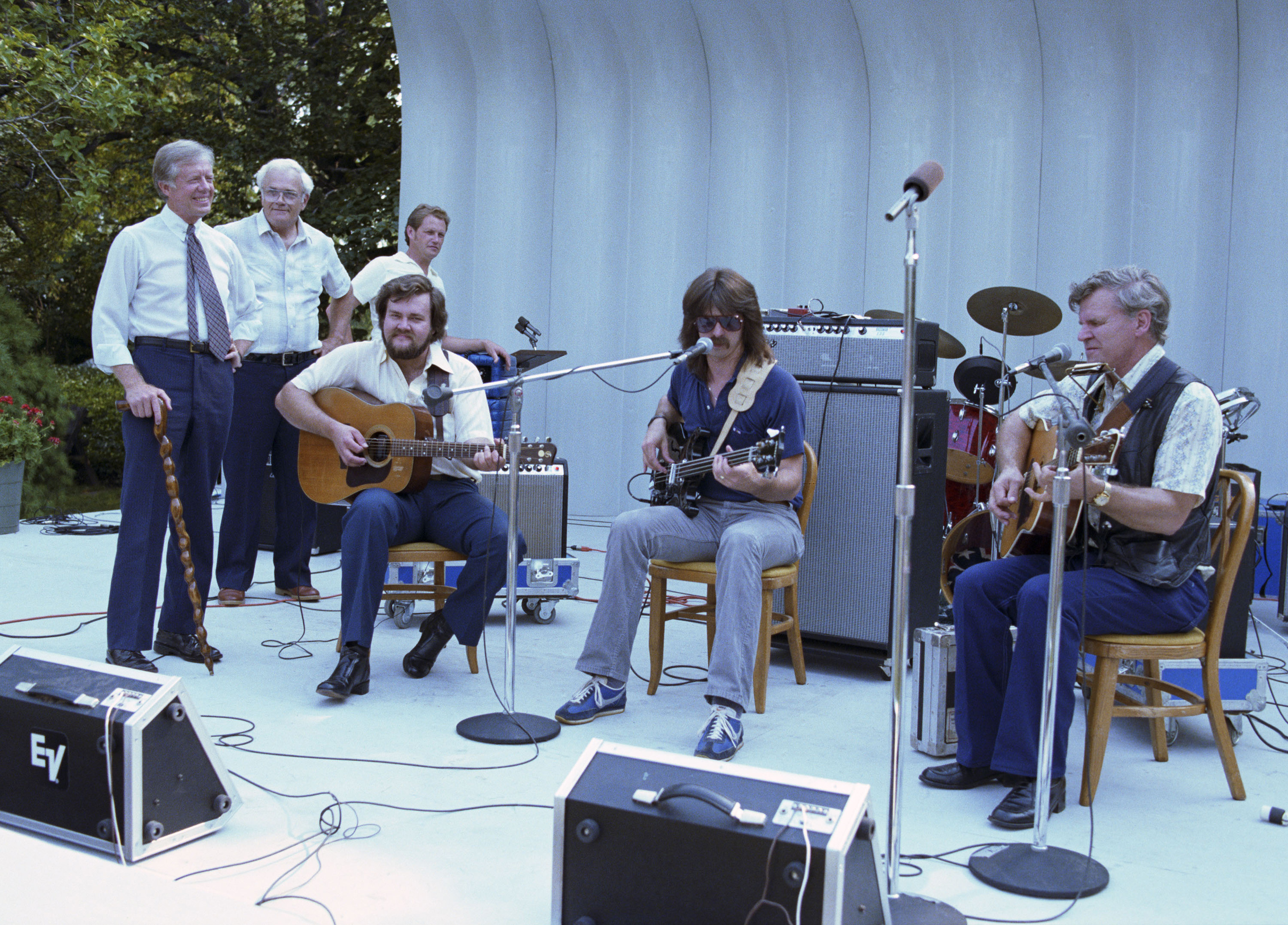
Top 10 Must-Have Instruments for Bluegrass Musicians
If you are building a bluegrass setup from scratch, the safest move is to learn the core lineup first and treat the novelty instruments as seasoning, not structural steel.
Most players who start exploring bluegrass ask the same practical questions: Which instruments are truly essential? Which ones carry rhythm versus melody? Which additions sound authentic, and which ones only work in specific arrangements? Bluegrass has room for personality, but it also has a recognizable baseline, and life gets easier once you know where that baseline lives.
The standard sound is well documented in broad overviews of bluegrass music, and it is built around acoustic string instruments that can hold a strong groove without a drum kit. That matters because instrument choice is not just a shopping decision. It is an arrangement decision. Choose well, and the band locks together. Choose randomly, and you spend rehearsal time negotiating avoidable failure modes.
By the end of this guide, you will know which instruments form the minimum safe bluegrass setup, what each one contributes, where optional instruments fit, and how to prioritize your first purchases or band roster. If you want more genre context after this list, the Bluegrass101 blog and the homepage are sensible next stops.
Introduction to Bluegrass Instruments
Bluegrass does not require a warehouse full of gear. It requires a disciplined mix of instruments that cover rhythm, harmony, lead lines, and low-end support without stepping on each other. In its most recognizable form, bluegrass is portable, acoustic, and direct. The room hears what your hands are doing. There is not much place to hide, which is part of the charm and part of the work.
For practical purposes, I would split the instrument list into two tiers:
- Core instruments: banjo, mandolin, guitar, fiddle, bass, and dobro. These define the sound most listeners expect.
- Optional color instruments: accordion, harmonica, ukulele, and light percussion. These can work, but they are supporting players rather than the house foundation.
That distinction keeps expectations clear. If you are assembling a first jam group, do not start with the fringe options and hope tradition will sort itself out later. It usually does not. Start with the dependable parts, then add variation once the ensemble can already stand on its own.
Useful Terms Before the List
- Break: a short solo section where one instrument steps forward while the band supports.
- Chop: the short, percussive mandolin rhythm that helps bluegrass move without drums.
- Lead instrument: the instrument carrying melody in a vocal pause or instrumental feature.
- Rhythm bed: the combined guitar, mandolin, and bass pattern that keeps the song upright.
- High lonesome sound: the ringing vocal and instrumental intensity associated with classic bluegrass.
Once these terms are in place, the rest of the list makes more sense because each instrument is doing a specific job, not just making an appearance.
At-a-Glance Priority Table
| Instrument | Priority | Main Job | Best Use Case |
|---|---|---|---|
| Banjo | Core | Drive, rolls, signature bluegrass attack | Classic ensemble and instrumental breaks |
| Mandolin | Core | Chop rhythm and cutting leads | Jam sessions and stage bands |
| Guitar | Core | Rhythm, vocals, flatpicking solos | Starter instrument and singer support |
| Fiddle | Core | Melody, sustain, old-time color | Tune-led songs and dance feel |
| Bass | Core | Timekeeping and low-end structure | Any full band lineup |
| Dobro | Core-plus | Slide texture and vocal-like leads | Modern and traditional bands alike |
| Accordion | Optional | Texture and crossover color | Experimental or regional blends |
| Harmonica | Optional | Bluesy fills and guest features | Selective songs and acoustic features |
| Ukulele | Optional | Light rhythm or novelty texture | Casual jams and crossover arrangements |
| Percussion | Optional | Light pulse or accent | Modern hybrids used with restraint |
1. Banjo
If one instrument instantly tells the room, “this is bluegrass,” it is the banjo. The modern bluegrass sound leans heavily on the three-finger approach associated with Earl Scruggs, and that rolling pattern gives the genre much of its forward motion. The broader history of the banjo is deeper than bluegrass alone, but within this style it functions like an engine with bright chrome on it: impossible to ignore and dangerous to run poorly.
The banjo does three valuable things at once. It adds rhythmic sparkle, outlines harmony, and fills airspace without sounding heavy. That combination is why even a simple lineup starts feeling more complete when a capable banjo player joins in.
- Pros: unmistakable bluegrass identity, excellent for breaks, strong rhythmic momentum.
- Cons: steep learning curve for clean timing, can overpower weaker ensembles, setup and tuning demand patience.
For beginners, the main risk is confusing speed with control. Bluegrass banjo sounds exciting because the notes are organized, not because they are merely fast. A slower clean roll is worth more than a blurry flurry of optimism.
2. Mandolin
The mandolin is one of bluegrass’s most efficient workers. It can chop rhythm, double melody lines, and cut through a full acoustic band with almost surgical precision. That sharp percussive rhythm is part of what keeps bluegrass locked together when there is no drum kit to do the babysitting.
The modern mandolin is small, but it is not a minor voice. In a jam, a good mandolin player acts like traffic control. The chop organizes space. The fills answer the vocal. The solo breaks add brightness without muddying the low end.
- Best features: quick attack, excellent rhythmic definition, portable size, strong ensemble utility.
- Watch-outs: short sustain can expose sloppy phrasing, and cheap instruments often sound thin or harsh.
If you are choosing instruments for a small group, the mandolin is often more important than new players expect. Remove it from a classic lineup and the band can still function, but the pulse loses one of its cleanest edges.
3. Guitar
The guitar is the bluegrass workhorse. It holds rhythm, supports vocals, and in the hands of a skilled flatpicker can also step out front with authority. If someone asked for the best first instrument for entering bluegrass without narrowing future options too quickly, the guitar would be the sensible answer.
Rhythm guitar in bluegrass is not passive strumming. It creates drive through bass-note movement, steady time, and controlled dynamics. When played well, it gives the band a floor strong enough for everyone else to dance on. When played badly, it drifts, rushes, or crowds the vocal. Failure modes arrive early.
Guitar is also practical because many singers already own one, and many songs can be led from it. That matters at beginner jams, church gatherings, porch sessions, and any room where one instrument has to carry both harmony and leadership.
- Pros: versatile, accessible, ideal for singers, useful in every lineup.
- Cons: easy to underestimate, weak rhythm playing can destabilize the whole band.
4. Fiddle
The fiddle gives bluegrass much of its emotional reach. Where banjo adds sparkle and mandolin adds punch, the fiddle adds sustain, lyrical motion, and a direct link back to older Appalachian dance and tune traditions. It can sound celebratory, mournful, restless, or stately, sometimes in the same tune.
The term “fiddle” usually signals playing style and context more than hardware. In bluegrass, the role inside the band is what matters most. The instrument can carry melody, trade breaks, reinforce vocals, and create strong intros or turnarounds.
- Best use: tune-based material, waltzes, breakdowns, and songs that need a singing melodic line.
- Main challenge: intonation is unforgiving, and a weak bow hand exposes itself immediately.
If your group wants a fuller traditional sound, fiddle is one of the fastest ways to get there. It connects bluegrass to old-time music without making the arrangement feel old or fragile.
5. Bass
The upright bass is not flashy, and that is exactly why it is indispensable. Bluegrass relies on acoustic clarity, so someone has to mark the beat, outline the chord changes, and keep the ensemble from floating off into hopeful abstraction. The bass handles that responsibility.
The role is straightforward in theory: mostly one note at a time, usually on strong beats, played with consistent timing and tone. In practice, that simplicity is expensive. A bassist who rushes or drags makes every other player work harder. A reliable bassist makes the whole band sound calmer and more professional.
The underlying instrument family is the double bass, but bluegrass players tend to prize feel over ornament. You do not need flashy lines. You need pulse, tuning, and stamina.
- Pros: anchors time, supports every chord, makes the ensemble feel complete.
- Cons: large to transport, physically demanding, often harder to find in beginner circles.
My practical advice is simple: if your jam already has competent guitar, mandolin, and banjo, the next major upgrade is often a dependable bass player rather than another lead instrument.
6. Dobro
Dobro is one of the richest colors in the bluegrass palette. Technically, players are usually working with a resonator guitar built for lap-style slide playing, and the broader instrument family is covered well in references on the resonator guitar. In bluegrass terms, though, the point is simpler: dobro brings a singing, gliding voice that sits beautifully between the fiddle and the human vocal.
It is not always present in the bare-minimum lineup, but it has become common enough that many listeners now hear it as part of the expected sound, especially in modern traditional bands. A good dobro player can add sustain where the mandolin is short, warmth where the banjo is bright, and melodic shape where the rhythm section is dry.
- Key features: slide expression, rich sustain, excellent support for ballads and mid-tempo songs.
- Tradeoffs: specialized technique, can clutter arrangements if every space gets filled.
If you already have the first five instruments covered, dobro is one of the smartest ways to deepen the sound without abandoning tradition.
7. Accordion
The accordion is not a standard bluegrass instrument, so it belongs in this list only with proper labeling. That label is optional crossover color. In some regional, folk, or experimental settings, accordion can work surprisingly well, especially when the arrangement leans toward waltzes, dance tunes, or roots styles that overlap with bluegrass. In a strict festival jam, it will stand out immediately.
That does not make it wrong. It makes it situational. The accordion brings sustain, chord support, and melodic capacity, but it also occupies a lot of sonic space. Bluegrass bands usually depend on crisp acoustic separation. An accordion can blur those lines if the player is not disciplined.
- Where it works: crossover projects, folk hybrids, songwriter-led arrangements.
- Where it struggles: hard-driving traditional jams where chop and string attack define the groove.
Use it for flavor, not as a substitute for mandolin or fiddle. The substitution cost is too high.
8. Harmonica (Blues Harp) on Bluegrass Tracks
The harmonica is another instrument that can fit bluegrass in measured doses. A strong player can add blues phrasing, compact fills, and a human-breath quality that contrasts nicely with string attack. That flexibility is exactly why it occasionally shows up on bluegrass-adjacent recordings.
Still, it is rarely a core instrument. Harmonica tends to work best as a guest voice on specific songs rather than an all-night structural component. It can be excellent for gospel-inflected material, acoustic blues crossovers, and stripped-down performances where the arrangement leaves enough breathing room.
- Pros: portable, expressive, inexpensive entry point, strong on selected songs.
- Cons: limited fit in dense full-band arrangements, easy to overuse, not part of the classic lineup.
Think of harmonica as a specialty tool. Useful, memorable, and occasionally exactly right. Just do not ask it to replace the main frame.
9. Ukulele (for a Twist)
Ukulele is the wildcard entry. It is not traditional bluegrass hardware, but it can contribute a light rhythmic texture in informal jams, youth programs, songwriter circles, or crossover acoustic groups. The main reason to consider it is accessibility. It is small, friendly, and often less intimidating for total beginners than a banjo or fiddle.
That said, the ukulele has limits in bluegrass. It does not provide the chop of a mandolin, the body of a guitar, or the projection of a fiddle. If you bring it in, do so because the song arrangement genuinely benefits from a softer strum or a novelty contrast, not because you are trying to fill a missing core role with optimism and laminated wood.
- Best case: casual acoustic sessions, youth instruction, novelty textures, light backing parts.
- Weak spot: low projection and limited authority in a hard-driving ensemble.
For learning rhythm, singing, and chord movement, ukulele can still be a useful gateway. Just recognize that it is a side road into bluegrass, not the main highway.
10. Percussion and Other Instruments
Traditional bluegrass is famous for doing a lot without a drum kit. The groove usually comes from guitar drive, mandolin chop, bass pulse, banjo roll, and disciplined ensemble timing. Because of that history, percussion should be used carefully, if at all. Light hand percussion, a tambourine, or subtle brush-style support may work in modern acoustic hybrids, but heavy percussion can flatten the style’s internal dynamics.
The same principle applies to “other instruments” broadly. Cello, clawhammer banjo in a mixed setting, piano, or even horns can appear in boundary-stretching projects, but they are guest roles. Bluegrass survives because the core acoustic conversation remains audible. Add too many extras, and you no longer have a conversation. You have a committee.
- Use percussion when: the arrangement is modern, restrained, and intentionally outside strict tradition.
- Avoid percussion when: the goal is classic jam feel, quick solo exchange, or festival-style acoustic clarity.
How to Build Your First Bluegrass Lineup
If you are starting from zero, this order is practical:
- Start with guitar: it supports singing, rhythm, and song leadership.
- Add mandolin or banjo: choose based on whether you need rhythm punch or signature roll-driven lead.
- Bring in bass: once multiple players are involved, low-end structure matters immediately.
- Add fiddle or dobro: these deepen the melodic and emotional range.
- Experiment later: harmonica, ukulele, accordion, and light percussion belong after the core is stable.
This order protects your recovery path. A functioning trio or quartet can already make convincing bluegrass. Optional instruments should make a healthy arrangement richer, not rescue a weak arrangement from itself.
Conclusion
The must-have bluegrass instruments are the ones that preserve acoustic drive, tonal separation, and the genre’s recognizable conversation between rhythm and lead. In priority order, that means banjo, mandolin, guitar, fiddle, bass, and dobro. Accordion, harmonica, ukulele, and percussion can all contribute something worthwhile, but they belong on the edges of the tradition rather than at its center.
If you are choosing your first instrument, the safest decisions are usually guitar for versatility, mandolin for ensemble discipline, or banjo for unmistakable bluegrass identity. If you are building a band, cover the core roles first and add color later. That is not rigidity for its own sake. It is simply the shortest route to a group that sounds intentional instead of accidental.
After you settle your lineup, verify one practical next step: document which instrument role your group is still missing, then rehearse one song with clear breaks and a firm tempo. Bluegrass rewards preparation. Preventable chaos is still chaos, even when everyone is smiling.
If you want more reading after this, the About Bluegrass101 page explains the site’s broader editorial focus, and the blog archive tracks related posts as the catalog grows.