The Best Bluegrass Documentaries and Films
If you love bluegrass, the right film can feel like a front-row seat to the music’s whole world. You get the songs, yes, but you also get the people, the picking circles, the old stories, and the way a tradition keeps moving without losing its shape. That is what makes bluegrass documentaries and music films so useful: they preserve sound, context, and memory in one place.
Bluegrass has long been described as a tradition-based string band style rooted in Appalachian music, folk influences, and a tightly defined acoustic sound. The Library of Congress and Smithsonian Folkways both do a good job of showing how wide that history is, from Bill Monroe’s early influence to the musicians who keep the form alive now. Films are a natural extension of that story because they let you see the technique, the chemistry, and the performance habits that recordings alone can flatten a little.
If you are visiting Bluegrass101 for the first time, you can also start with the home page, browse the blog, or read About Bluegrass101 for more background on the site. For this guide, I picked films that are either true documentaries or films that meaningfully showcase bluegrass on screen, not just background banjo for atmosphere. A good watch list should teach you something, and this one does.
Below is the short version of the list. After that, I walk through each title in plain language so you can decide where to start.
| Title | Year | Format | Why it belongs here |
|---|---|---|---|
| High Lonesome: The Story of Bluegrass Music | 1994 | Documentary | A broad, friendly overview of the genre’s early history and major voices. |
| Bluegrass Country Soul | 1972 | Documentary/concert film | An early concert film that captures the energy of the scene in a raw, live setting. |
| Down from the Mountain | 2000 | Documentary/concert film | A key snapshot of the O Brother, Where Art Thou? era and its bluegrass revival. |
| Bluegrass Journey | 2004 | Documentary | A portrait of the contemporary scene, with festival footage and modern artists. |
| How to Grow a Band | 2011 | Documentary | A close look at progressive bluegrass, ambition, and the making of Punch Brothers. |
| O Brother, Where Art Thou? | 2000 | Feature film | A mainstream film whose soundtrack helped bluegrass and related roots music reach a wider audience. |
1. High Lonesome: The Story of Bluegrass Music
High Lonesome: The Story of Bluegrass Music is one of the easiest places to begin if you want a wide-angle view of the genre. The film traces bluegrass from its Appalachian roots into the modern era and brings in a large range of performers. That makes it especially helpful for newcomers, because it does not assume you already know the names, the styles, or the family trees.
What I like about this documentary is its balance. It is historical without feeling stiff, and musical without turning into a lecture. You hear from important figures such as Lester Flatt, Jimmy Martin, and Mac Wiseman, but the film is not just a parade of famous names. It is a reminder that bluegrass is both a repertoire and a community. The performances matter, and so do the players’ stories around them.
The film is especially good at showing how bluegrass works as a living tradition. In the hands of a less careful filmmaker, that could have turned into a museum piece. Here, it feels more like a conversation across generations. One of the strongest parts of a bluegrass documentary is hearing how often the same ideas come up in different forms: timekeeping, harmony, improvisation, and a deep respect for the old songs.
If you only watch one title on this list to get your bearings, this is probably the safest starting point. It gives you enough history to understand why the music matters and enough performance footage to make the point feel real. That combination is the whole trick.
Why it stands out
- It covers the big story without getting bogged down in trivia.
- It works for viewers who are brand new to bluegrass.
- It places the music in a clear historical frame.
- It keeps the performances at the center, where they belong.
Who should start here
Start here if you want a clean, dependable introduction before moving into more specialized documentaries. It is the sort of film that makes the rest of the list easier to appreciate.
2. Bluegrass Country Soul
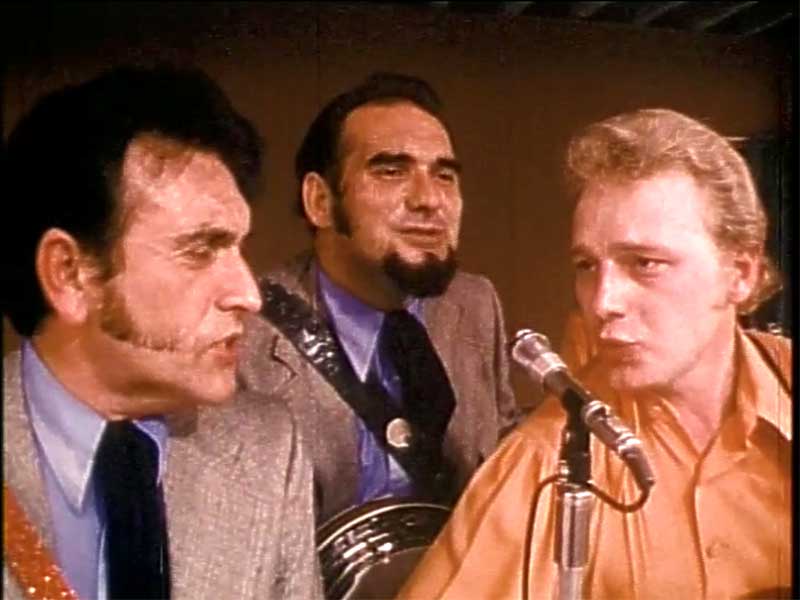
Bluegrass Country Soul is a landmark concert film from the early 1970s, and it still feels alive because it catches bluegrass in motion rather than trying to explain it from a distance. The film documents a legendary festival weekend and gives you the feeling of being at the edge of the stage, dust, sweat, pickers, and all.
This is one of those titles that matters because it captures a scene before the scene has had decades to polish itself. The footage feels immediate. You can see the crowd response, the backstage energy, and the personalities that make live bluegrass such a distinct experience. The lineup includes major figures from the tradition, and the film’s value is partly archival: it preserves a moment that would have been easy to lose if nobody had pointed a camera at it.
There is also a nice contrast here with the later, more polished documentaries on this list. Bluegrass Country Soul does not try to explain bluegrass with a tidy modern narrative. It lets the performers do the work. That may sound simple, but it is one of the best ways to document a music style built on timing, ensemble instinct, and live response.
If you like older concert films, this one is essential. It has the rough-edged honesty that many fans want when they say they want to see the “real thing.” Sometimes the camera catches exactly what the music is before anyone starts packaging it. This is one of those times.
Why it stands out
- It captures bluegrass as a live, social event.
- It preserves an early festival atmosphere with real texture.
- It is less explanatory than other films, which is part of its charm.
- It gives you a feel for the stagecraft behind the genre.
What to watch for
Pay attention to how the musicians listen to one another. Bluegrass is often described as virtuosic, but the real pleasure is in the coordination. That is easier to hear when the film refuses to cut away from the performance too quickly.
3. Down from the Mountain
Down from the Mountain is one of the most important bluegrass-related concert documentaries of the modern era. It grew out of the soundtrack world around O Brother, Where Art Thou? and helped show just how large the audience for acoustic roots music could still be when the material was presented with care and conviction.
The setting matters here. The film captures a live performance event with major names from bluegrass and related traditional styles, and that gives it a special energy. You are not just watching a concert. You are watching a cultural moment in which old songs, old playing styles, and new listeners meet in the same room. That is a bigger deal than it may sound like at first.
What makes this film especially useful is the way it bridges audiences. Lifelong bluegrass listeners get the pleasure of hearing strong, familiar voices in a polished setting. Newer listeners get a gateway into the music without needing to know every branch of the family tree before pressing play. That is rare, and it is why the film still gets recommended whenever someone asks where to begin with bluegrass on screen.
It also captures a key truth about the genre: bluegrass has never been only a museum piece. It can move from festival grounds to theaters to soundtracks and still feel grounded in the same musical language. Down from the Mountain shows that flexibility clearly.
Why it stands out
- It documents the post-O Brother bluegrass revival with real performance footage.
- It mixes star power with strong musical substance.
- It helps new listeners connect bluegrass history to a wider cultural moment.
- It is one of the easiest films to recommend to friends who are not already bluegrass diehards.
Best reason to watch it
Watch this one if you want to understand how bluegrass broke back into the mainstream without losing its identity. That is the film’s quiet lesson, and it is a good one.
4. Bluegrass Journey
Bluegrass Journey is a portrait of the contemporary bluegrass scene, and that is exactly what makes it worth your time. Instead of treating the genre as a closed chapter, the film looks at how the music was being played, heard, and shared in the early 2000s. That gives it a different rhythm from the older documentary entries above.
One of the strengths of this film is that it does not pretend bluegrass lives in one fixed place. Festivals, stage sets, jam circles, and band conversations all matter. The documentary format lets all of that breathe. You get the sense that bluegrass is not just performed at a distance; it is passed around, tested, and remade in real time. That is how the style has always survived, and the film understands that instinctively.
The presence of younger and newer-generation artists is useful too. A lot of people come to bluegrass through the classic names, then wonder whether the genre still has a future. Bluegrass Journey answers that question by showing the music in active circulation. The future is not hypothetical here. It is already playing on stage.
If you like festival energy, this is a strong pick. If you are interested in how bluegrass scenes are built, even better. The film makes a subtle but important point: a genre stays healthy when it keeps gathering people, not just preserving artifacts.
Why it stands out
- It focuses on the living, contemporary scene.
- It balances performances with a sense of place.
- It works as both a documentary and a scene report.
- It reminds viewers that bluegrass is still being made, not merely remembered.
For viewers who like
Choose this one if you enjoy festival footage, artist interaction, and documentaries that feel a little less formal than a broad history film. It has the easy motion of a day spent listening closely.
5. How to Grow a Band
How to Grow a Band is the most focused film on this list, and in some ways it is the most revealing. It follows Punch Brothers during their early years and looks closely at the tension between individual skill and group identity. That tension is especially interesting in bluegrass and progressive acoustic music, because the genre asks musicians to be both soloists and teammates at the same time.
What the film captures well is the discipline behind the sparkle. From the outside, bluegrass can look effortless when players are really cooking. This documentary shows the work that sits underneath the sparkle: rehearsal, argument, arrangement choices, and the constant effort to make technically ambitious music feel natural. That is not a small thing. It is the difference between pretty sounds and a band with a real voice.
The interviews and performance footage also help explain why younger bluegrass audiences often connect with Punch Brothers so strongly. They respect the old forms, but they are not stuck in them. The film is smart enough not to treat that as a betrayal. It presents it as one more chapter in a long tradition of musicians pushing the edges of the style while keeping the core intact.
If your idea of bluegrass includes innovation, crossover, and a little risk, this is the title that will likely stay with you longest. It is a useful reminder that bluegrass has never been frozen. It has always been a conversation between tradition and ambition.
Why it stands out
- It zooms in on a single band with unusual clarity.
- It is especially strong on musicianship and group dynamics.
- It explains progressive bluegrass without sounding defensive about it.
- It offers a modern entry point for younger viewers and players.
What it teaches
This film quietly teaches that great bluegrass is rarely accidental. The listener may hear speed or flair first, but the band has to solve structure, timing, and identity every step of the way.
6. O Brother, Where Art Thou?
O Brother, Where Art Thou? is not a documentary, but it absolutely belongs on a list like this because it helped many mainstream viewers hear roots music, string band sounds, and bluegrass in a new way. The film’s soundtrack became a cultural event in its own right, and that effect spilled over into bluegrass interest more broadly.
The reason I include it is simple: bluegrass history is not only made by documentaries. Sometimes a fiction film opens the door for thousands of listeners who would never have searched for a bluegrass record on their own. This movie did exactly that. It tied old songs to a modern, widely watched story, and the result was a huge boost for acoustic roots music across radio, festivals, and record sales.
There is also a practical benefit to starting here if you are a casual viewer. The film is entertaining on its own, so it does not feel like homework. Yet once the soundtrack pulls you in, you start asking better questions about the songs, the players, and the tradition behind them. That is often how musical curiosity starts: not with a lecture, but with a hook that stays in your head.
In a guide about the best bluegrass documentaries and films, this is the title that reminds us the category can be broader than a strict documentary shelf. Any film that helps a larger audience hear the music clearly has done part of the work already.
Why it stands out
- It brought bluegrass-adjacent and roots music to a much larger audience.
- Its soundtrack became part of the genre’s modern cultural memory.
- It makes a good bridge for viewers who prefer feature films to documentaries.
- It shows how bluegrass influence can travel through popular culture.
How to use it
Watch the film first, then go back to the soundtrack and the musicians behind it. That second step is where the bluegrass connection really opens up.
7. Big Easy Express
Big Easy Express sits a little closer to the folk and Americana edge of the map, but I still think it earns a place here because of Old Crow Medicine Show’s presence and the film’s train-tour premise. Bluegrass has always lived near those neighboring styles, and this documentary captures the social energy that keeps acoustic music scenes alive.
The appeal of this film is movement. The bands travel, perform, and share space in a way that gives the documentary a road-movie pulse. That matters because bluegrass has never been just a studio genre. It is a playing-out-loud genre, a traveling genre, a gather-around-the-microphone genre. This film understands that instinctively.
It is also a good modern counterweight to the older performance documentaries on the list. Where Bluegrass Country Soul shows a festival in an earlier era, Big Easy Express shows how roots music can still feel communal and immediate in a newer era. That shift in time is useful. It shows continuity without pretending the scene never changes.
If you like documentaries that feel energetic rather than purely educational, this is a strong closing pick. It is not the most traditional bluegrass title here, but it is one of the most enjoyable to watch straight through.
Why it stands out
- It brings road-trip motion to a roots-music documentary.
- It highlights the community side of contemporary acoustic touring.
- It includes Old Crow Medicine Show, which gives bluegrass fans a familiar anchor.
- It shows how neighboring genres keep feeding the same broad musical family.
How to choose the right starting point
If you want a simple way to decide where to begin, think about what kind of viewer you are.
- Start with High Lonesome if you want the clearest overview.
- Start with Bluegrass Country Soul if you love old concert films and raw festival energy.
- Start with Down from the Mountain if you want the clearest mainstream bluegrass crossover story.
- Start with Bluegrass Journey if you care about the scene as it existed in the 2000s.
- Start with How to Grow a Band if you like modern musicianship and progressive bluegrass.
- Start with O Brother, Where Art Thou? if you want a narrative film that still points you toward the music.
That is the practical way to build a watch list. You do not need to watch them in historical order unless you want the full arc. The better question is what kind of door you want to open first.
Conclusion
Bluegrass documentaries and films do more than entertain. They preserve techniques, memories, and performance styles that are easier to feel than to explain. They also make the genre welcoming to new listeners, which matters more than it gets credit for. A music tradition survives partly through records and partly through the stories that keep the records intelligible. These films do both jobs.
If I were building a short starter list, I would pick High Lonesome for the history, Down from the Mountain for the cultural crossover, and How to Grow a Band for a modern view of where the style keeps evolving. Then I would add Bluegrass Country Soul and Bluegrass Journey for the live-scene texture, with O Brother, Where Art Thou? as the friendly mainstream bridge. That gives you a broad enough picture to understand why bluegrass still pulls people in.
If you watch one of these films this week, take a note on what stayed with you: a voice, a tune, a stage moment, or a story behind the playing. Then come back to the blog for more bluegrass reading, or visit About Bluegrass101 if you want the site background before your next listen.
Key takeaways:
- Bluegrass films are one of the best ways to understand the genre’s history and feel.
- The strongest documentaries mix performance footage with context and human stories.
- Older concert films and newer scene films each teach something different.
- Mainstream movies can also help bring bluegrass to new listeners.