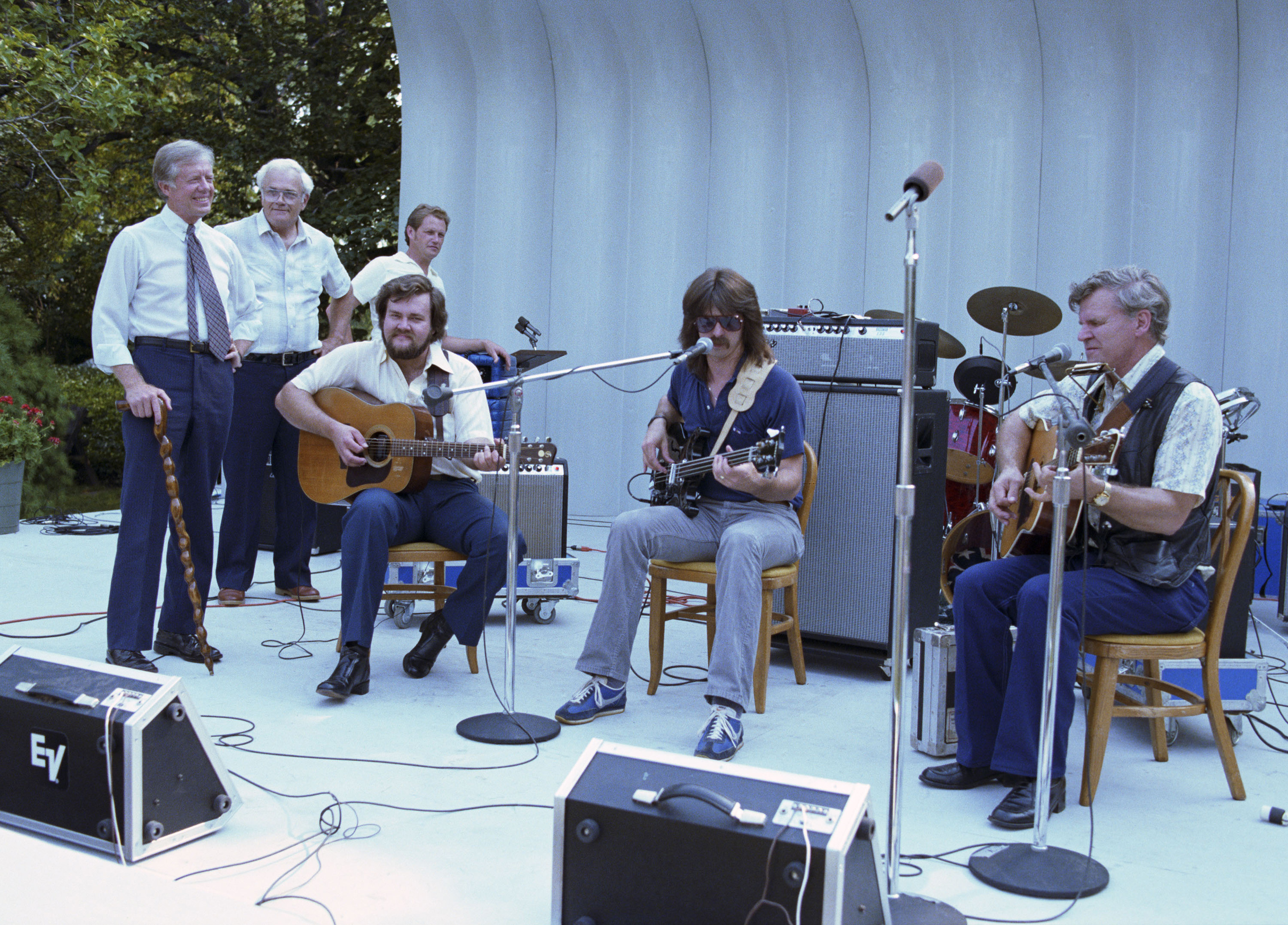
Bluegrass Music for Beginners: Where to Start
Bluegrass Music for Beginners: Where to Start
If bluegrass looks like a fast-moving knot of banjos, harmonies, and rules nobody bothered to explain, good. That is exactly the right starting problem.
When people search for bluegrass basics, they usually want the same few answers: What counts as bluegrass? Which records should I hear first? What instruments matter? And how do I avoid wandering into the wrong subgenre and calling it progress? The boring truth is that bluegrass is simple to name and annoyingly specific to learn. That is why a clean starting point matters.
For a short, reliable overview of the genre’s roots, Britannica’s bluegrass entry covers the basic history without turning it into mythology. For a broader picture of the music’s community and preservation work, the Bluegrass Music Hall of Fame & Museum and the International Bluegrass Music Association are useful places to ground yourself in the real thing instead of whatever an algorithm decided sounded rustic.
In this guide, I will keep the fluff to a minimum and give you the practical version: a short history, the defining sounds, the songs that actually teach your ear something, and the resources that help you move from curious listener to informed beginner. If you want more site-wide background, start with the home page, browse the blog, or use the contact page if you need a point of entry that does not involve guesswork.
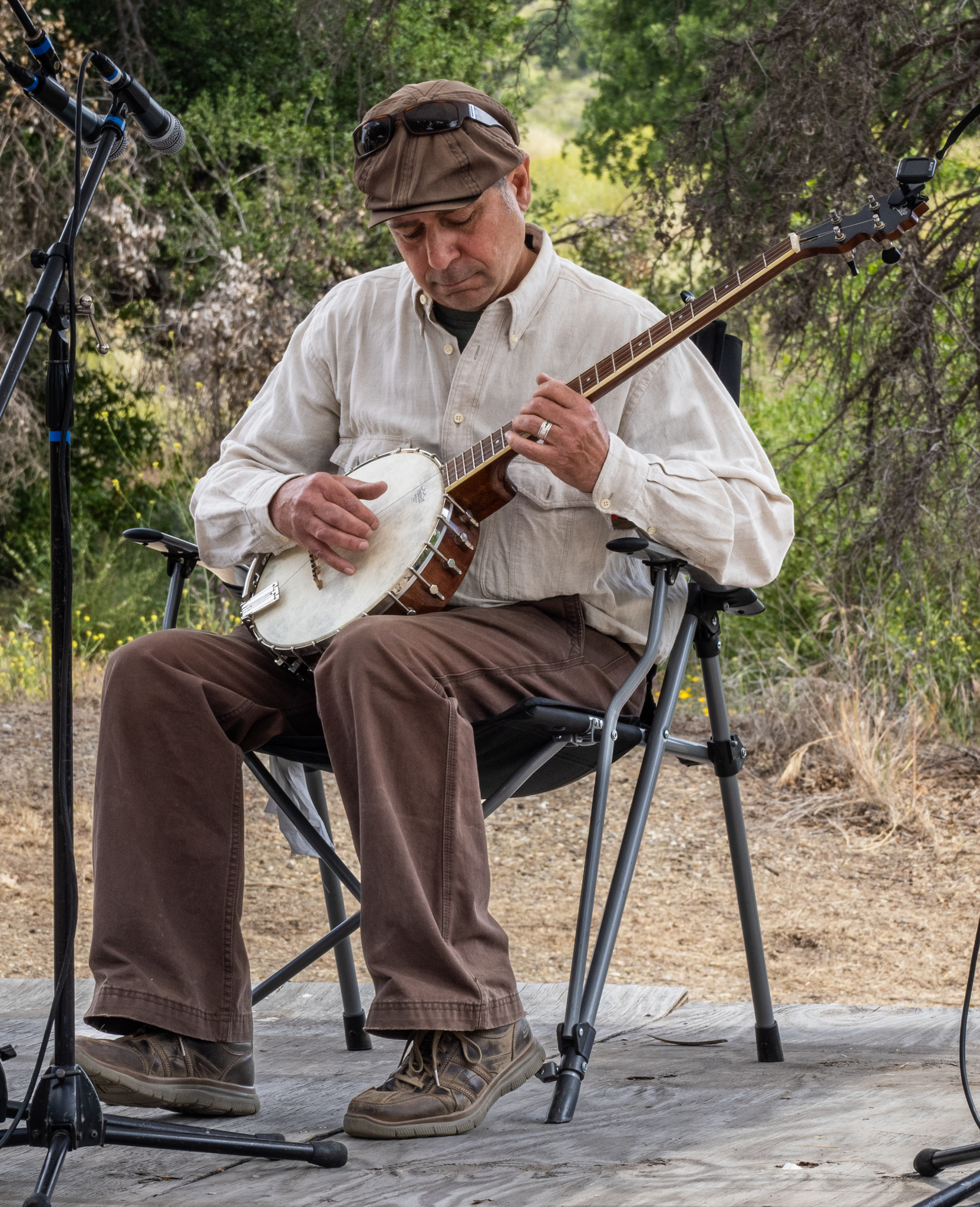
Bluegrass rewards people who listen carefully. It also punishes people who buy gear first and ears later. A patient start saves time.
Introduction to Bluegrass Music
A brief history without the fog machine
Bluegrass took shape in the 1940s, most famously through Bill Monroe and the Blue Grass Boys. Monroe’s sound drew from Appalachian string-band traditions, gospel singing, African American blues, fiddle tunes, and the sharper, faster rhythmic drive of dance music. That combination became the template. When Earl Scruggs joined Monroe and pushed three-finger banjo picking into the foreground, the genre stopped being a loose regional idea and became a recognizable style with a name, a pulse, and a signature sound.
The important thing for beginners is not memorizing the family tree like a museum docent in bad weather. The useful part is this: bluegrass is acoustic, high-energy, and arrangement-driven. It keeps a tight core of instruments, values solo breaks, and treats harmony as a structural tool rather than a decorative afterthought. That is why a good bluegrass band can sound both disciplined and a little dangerous.
If you want a deeper history after this guide, the Hall of Fame and Museum is worth a visit, and the association page at IBMA is useful for seeing how the modern scene organizes itself. The genre did not stay frozen in the 1940s, despite how often people pretend it did.
What makes it bluegrass
- Acoustic string instruments lead the arrangement. Drums are usually absent in traditional bluegrass.
- Solo breaks matter. Each player gets a chance to step forward without the song collapsing into a jam-room free-for-all.
- Three-part or higher vocal harmony is common, especially on choruses and gospel numbers.
- Fast, precise rhythm keeps the music moving. The beat should feel tight, not loose and sleepy.
- High lonesome vocals are part of the identity. Not every song uses that sound, but many listeners expect it.
Those traits are the diagnostic checklist. If the song has plenty of acoustic picking but no break structure, you may be hearing old-time music, country, or a hybrid. That is fine. It just means the label needs evidence instead of hope.
Understanding the Basics
The core instruments
Most beginners do better when they learn the band layout before chasing songs. Here is the short version.
| Instrument | What it does in bluegrass | What to listen for |
|---|---|---|
| Banjo | Provides the driving, rolling rhythm that many people mistake for the whole genre. | Rapid three-finger picking, syncopation, and clean note separation. |
| Mandolin | Adds chop rhythm, sharp accents, and melodic breaks. | Short, percussive chords on the off-beat and bright lead lines. |
| Fiddle | Handles melody, counter-melody, and high-energy solos. | Long bowed phrases, double-stops, and dance-tune phrasing. |
| Guitar | Anchors rhythm and provides vocal support. | Flatpicked lead runs, steady boom-chuck rhythm, and tasteful fills. |
| Upright bass | Marks the pulse and keeps the bottom end honest. | Strong downbeats and walking movement between chord changes. |
| Dobro / resonator guitar | Provides sliding, singing lines in more modern or expanded bluegrass settings. | Gliding sustain and melodic phrases that sit above the rhythm section. |
If you are learning to play, do not try to master all of these at once. That is not ambition. That is a scheduling error. Pick one instrument and learn what role it plays in the ensemble.
How bluegrass songs are built
Most beginner confusion comes from structure. Bluegrass songs often move through verses, choruses, and instrumental breaks, then return to the vocal. The arrangement usually leaves room for each instrument to speak. That is the point. Bluegrass is social music, but not in the vague, feel-good sense. It is social because every part has to function around the others.
- Common keys include G, A, C, and D, with capo use changing the practical range for singers and players.
- I-IV-V harmony shows up constantly, because that progression makes the genre easy to follow once your ear catches it.
- Breaks are the instrumental solos that give the song motion.
- Chops and rolls create the rhythmic engine, especially on mandolin and banjo.
- Gospel influence appears in harmony singing, phrasing, and some of the best-known repertoire.
Bluegrass versus country and old-time
People blur these styles together because the marketing departments did their work too well. Here is the practical difference.
| Style | Main clue | Easy way to tell |
|---|---|---|
| Bluegrass | Acoustic drive, breaks, and tight ensemble playing. | If the banjo, mandolin, or fiddle is carrying a real solo role, bluegrass is likely in the room. |
| Country | Broader production palette, usually with drums and electric instruments. | If the song leans on a polished singer-songwriter setup, it is probably country or country-influenced. |
| Old-time | Older dance-tune tradition, often more repetitive and less solo-focused. | If the groove is the main event and breaks are minimal, you may be hearing old-time rather than bluegrass. |
This distinction matters because beginners waste time trying to learn the wrong vocabulary. Learn the sound first, then let the labels catch up.
Recommended Listening
Before buying a banjo, mandolin, or any other piece of metal that makes you feel productive, listen to the records that shaped the style. Ear training is cheaper than gear regret.
For a reliable listening trail, start with the landmark recordings and then move toward modern interpreters. The point is not to worship the past. It is to hear the grammar.
| Song / Artist | Why it belongs on the list | What to notice |
|---|---|---|
| “Blue Moon of Kentucky” – Bill Monroe | The genre’s blueprint in miniature. | The vocal phrasing, the acoustic drive, and the sense that every player knows exactly where the song is going. |
| “Foggy Mountain Breakdown” – Flatt & Scruggs | The banjo became a headline instrument here, and nobody has successfully talked the genre out of it since. | The rolling banjo pattern, the momentum, and the way the break pushes the tune forward. |
| “Molly and Tenbrooks” – Bill Monroe | Classic Monroe firepower. | Speed, melody, and the dry snap of the ensemble behind the lead vocal. |
| “Rank Stranger” – The Stanley Brothers | Harmony singing with emotional weight instead of theatrical sludge. | The brother duet blend and the gospel-rooted feel. |
| “Rawhide” – Bill Monroe | Useful for hearing how bluegrass rhythm locks together under pressure. | The instrumental breaks and the clean, clipped attack. |
| “Uncle Pen” – Ricky Skaggs | A modern reminder that traditional bluegrass can still sound alive. | The blend of respect for the old style and a stronger studio finish. |
| “Cluck Old Hen” – various traditional versions | A good test of whether you can hear how a tune changes with different players. | How rhythm, phrasing, and solo choices alter the same basic melody. |
| “Let Me Touch You for Awhile” – Alison Krauss & Union Station | A good bridge for listeners who want a cleaner modern entry point. | Smooth production, strong ensemble playing, and precise harmony work. |
If you want one quick listening plan, use this order: Bill Monroe first, Flatt & Scruggs second, The Stanley Brothers third, then a modern group such as Ricky Skaggs or Alison Krauss & Union Station. That sequence teaches the evolution without pretending the genre arrived fully formed in a gift box.
For catalog browsing and deeper listening context, the Bluegrass Music Hall of Fame & Museum is a practical starting point. If you want a broad view of events, artists, and the larger community, IBMA is where the organized side of the genre tends to show up.
Learning Resources
Beginners usually ask the wrong question here. They ask, “What is the best lesson?” The better question is: “What resource matches the way I learn and the instrument I chose?” Bluegrass rewards repetition, listening, and slow accuracy. Flashy shortcuts are a good way to stay mediocre faster.
Online learning
If you want structured lessons, look for instruction built around a single instrument and a clear progression of skills. For banjo, mandolin, fiddle, and guitar, platforms such as Peghead Nation and similar lesson libraries are useful because they break material into manageable pieces instead of assuming you already know how the style works. That matters more than polished marketing language.
- Banjo: start with rolls, timing, and clean chord changes before chasing speed.
- Mandolin: learn chop rhythm and double-stops before trying to blaze through melody runs.
- Fiddle: work on intonation and simple bow control before decorating every phrase.
- Guitar: focus on flatpicking clarity and rhythm support before lead gymnastics.
- Bass: learn strong pulse, note choice, and timing. The band depends on it more than the bass player usually gets credit for.
Books and printed materials
Printed method books still make sense in bluegrass because the genre is built on repeatable patterns. A good book does not need to be revolutionary. It needs to show you what the roll, chop, lick, or backup pattern looks like when you are not guessing.
- Look for beginner method books that include audio examples.
- Choose books that cover both technique and repertoire.
- Use songbooks that include chord charts and standard notation if you want to train your ear and your fingers at the same time.
If a book talks only about inspiration and never about timing, skip it. That is not instruction. That is a motivational poster with tabs.
Local teachers, jams, and workshops
Bluegrass is a community music, which means local reality matters. A teacher can correct timing mistakes in ten minutes that would otherwise linger for months. A weekly jam will expose your weak spots faster than solitary practice ever will. That is not cruelty. That is how learning works. A small club that wants to track jam-night RSVPs or lesson signups could even use a web app generator to keep the paperwork tidy, but the beginner still needs ears, not dashboards.
- Local teachers help with posture, timing, and left-hand/right-hand coordination.
- Workshops let you hear how experienced players explain the same problem in different ways.
- Open jams teach listening, turn-taking, and tempo control.
- Festivals give you a live model for tone, balance, and ensemble communication.
To find live shows and regional events, Songkick is a reasonable place to start if you want an event calendar instead of social-media scavenger hunting. Not every listing will be bluegrass, which is normal; the point is to find the shows that are actually near you and then check the venue calendar from there.
A starter practice plan
If you are playing rather than just listening, this is the simplest reliable routine I can offer:
- Pick one instrument and one tuning or chord shape family.
- Listen to one classic track every day for a week.
- Practice the core rhythm pattern slowly until it feels boring.
- Learn one melody, one backup pattern, and one short break.
- Play with a metronome before you play with other people. Save the group session for actual group work.
The goal is not speed. The goal is control. Speed appears when your hands stop arguing with your ears.
Common beginner mistakes
If you want to avoid wasted motion, rule out these problems early.
- Buying gear before hearing the style: a decent instrument helps, but a confused ear can make an expensive mistake sound noble.
- Practicing too fast: bluegrass rewards precision first and speed later. Reverse the order and you will simply become an inaccurate blur.
- Ignoring backup playing: beginners often chase solos and ignore rhythm support. In a bluegrass band, backup is not filler. It is the structure.
- Mixing styles without noticing: country, old-time, folk, and progressive bluegrass overlap. Listen carefully enough to know what you are actually hearing.
- Learning alone forever: at some point, you need other ears. A good teacher, jam, or workshop will expose timing problems quickly.
None of this is dramatic. It is just the usual cleanup work that separates beginners who improve from beginners who collect opinions.
Conclusion
Bluegrass is not hard because it is mysterious. It is hard because it is honest. The music exposes timing, tone, and attention very quickly. That is useful. It means you do not have to guess what matters. Listen to the core records, learn the instruments in the right order, and spend time with people who already know the sound.
If you remember nothing else, remember this sequence: listen first, learn the roles second, then practice the right patterns third. Anything else is decorative procrastination.
For more articles like this, keep an eye on the blog, return to the home page if you want the broader site context, and use the contact page if you need a direct line for questions or follow-up. Bluegrass is a community genre, which is a polite way of saying you do not get to stay isolated forever if you want to get good.
Key points to keep handy:
- Bluegrass started with Bill Monroe and the Blue Grass Boys in the 1940s.
- The style is defined by acoustic string instruments, vocal harmony, and solo breaks.
- Beginners should start with a short list of essential recordings before buying gear.
- Instrument-specific lessons, books, and local jams are more useful than vague inspiration.
- The fastest path forward is careful listening, slow practice, and regular contact with other players.