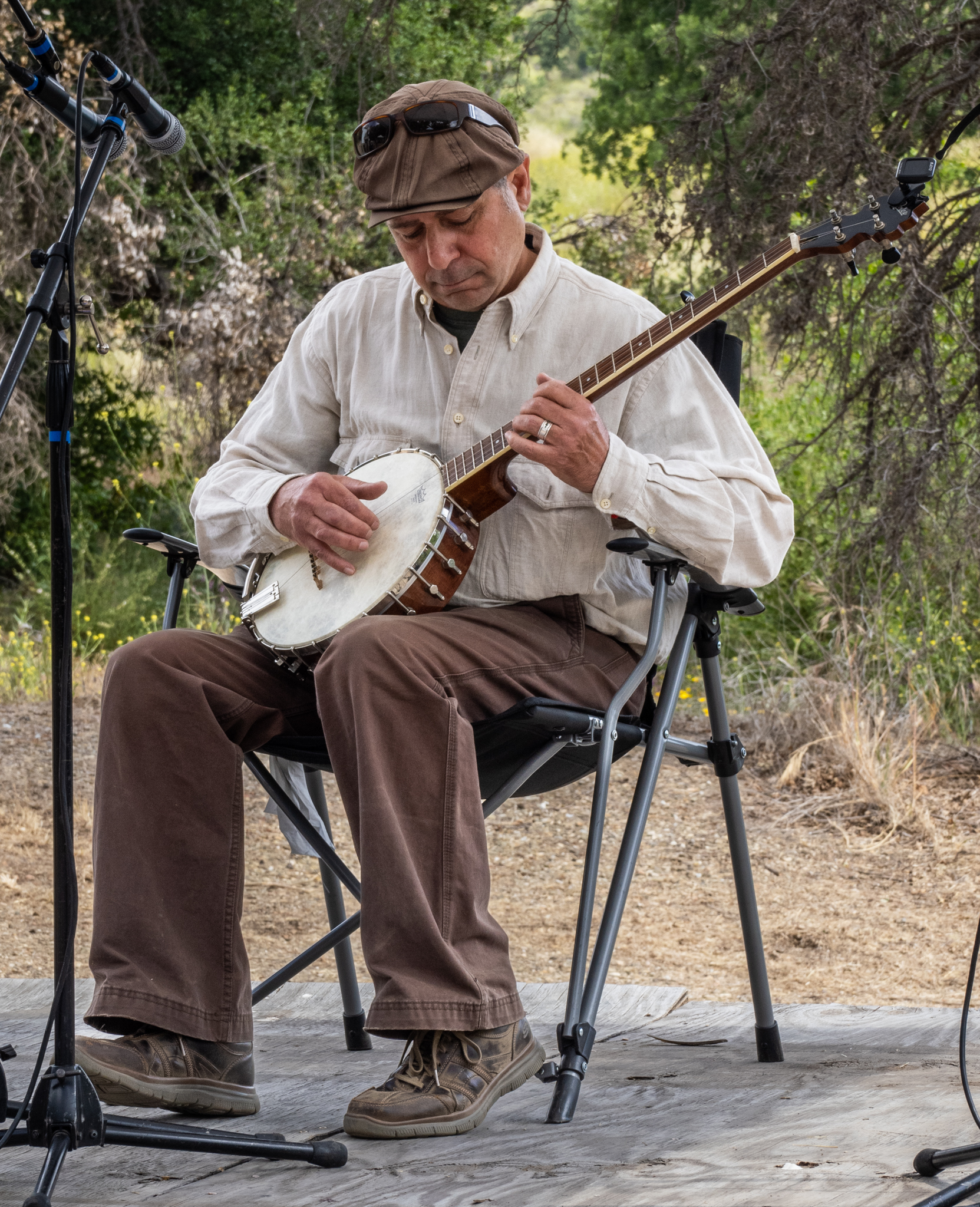
How to Play the Banjo: A Beginner’s Guide
Introduction to the Banjo
The banjo looks simple from a distance and slightly mischievous up close. That is part of its appeal. For beginners, the easiest way to start is to understand the instrument before trying to make it sound fast. A standard five-string banjo is common in bluegrass, and its bright, percussive tone comes from the short fifth string and the instrument’s drum-like head.
If you are just getting started, focus first on comfort: how the banjo sits, how your picking hand moves, and how steady your timing feels. Speed comes later. The order matters more than people like to admit.
Basic Techniques
Bluegrass banjo is often taught with fingerpicking, especially the three-finger style associated with Earl Scruggs. You do not need to master that immediately, but you do need a clean foundation.
- Hold the banjo comfortably. Keep your shoulders relaxed and the neck angled so your fretting hand can move freely.
- Use finger picks. Many beginners use thumb and finger picks to get a clearer, sharper tone.
- Practice rolls slowly. Roll patterns are the engine of bluegrass banjo. Start at a slow tempo and keep the notes even.
- Learn left-hand basics. Simple chords, hammer-ons, pull-offs, and slides will open the door to dozens of songs.
For a reliable technique reference, the Encyclopaedia Britannica banjo entry gives a concise overview of the instrument’s history and construction. For a more hands-on player perspective, Deering Banjo’s learning resources are useful for practical setup and beginner concerns.
Learning Simple Songs
Once you can play a steady roll and switch between a few chords, move to short, familiar songs. The point is not to impress anyone. The point is to connect technique to music.
Good starter choices are songs with repeating chord progressions and a moderate tempo. Try learning one song at a time and keep it simple enough that you can play it without stopping every four beats. Even a stripped-down version counts. The banjo does not award style points for panic.
You can also use public-reference lesson material from the Mel Bay beginner banjo method as a structured supplement if you prefer a book-based approach.
Practicing Tips
Beginners improve fastest when practice is short, regular, and focused. Twenty minutes a day is often better than one heroic weekend session followed by silence.
| Practice focus | What to do | Why it helps |
|---|---|---|
| Timing | Play with a metronome at a slow speed | Builds steady rhythm before speed |
| Clean notes | Repeat one roll until every note sounds even | Trains consistency in the picking hand |
| Chord changes | Move between two chords without stopping | Makes songs easier to finish |
| Repetition | Loop one short passage five to ten times | Helps muscle memory settle in |
If you want a broader musical context, the Musician’s Friend banjo buying guide is a practical companion piece when you are still choosing strings, picks, or a beginner instrument.
Resources for Further Learning
Beginners tend to learn best with a mix of methods: one clear teacher, one structured method book or course, and one community where questions are welcome. If you enjoy community learning, look for local bluegrass jams, lessons, or online beginner groups. The right setting is the one that keeps you returning to the instrument.
- Browse more music and learning articles on the blog
- Reach out with a question or suggestion
- Return to the home page for more Bluegrass101 topics
For official historical context on the instrument, the Banjo Hangout community is a long-running reference point with forums, tabs, and player discussion. It is not a substitute for practice, but it does make the path less lonely.
Conclusion
Learning banjo is less about finding the perfect first lesson and more about stacking a few small wins: a comfortable hold, a steady roll, a clean chord change, and one short song that actually finishes. Keep the steps modest and the practice regular. The instrument rewards patience, and it becomes friendlier each time you return to it.