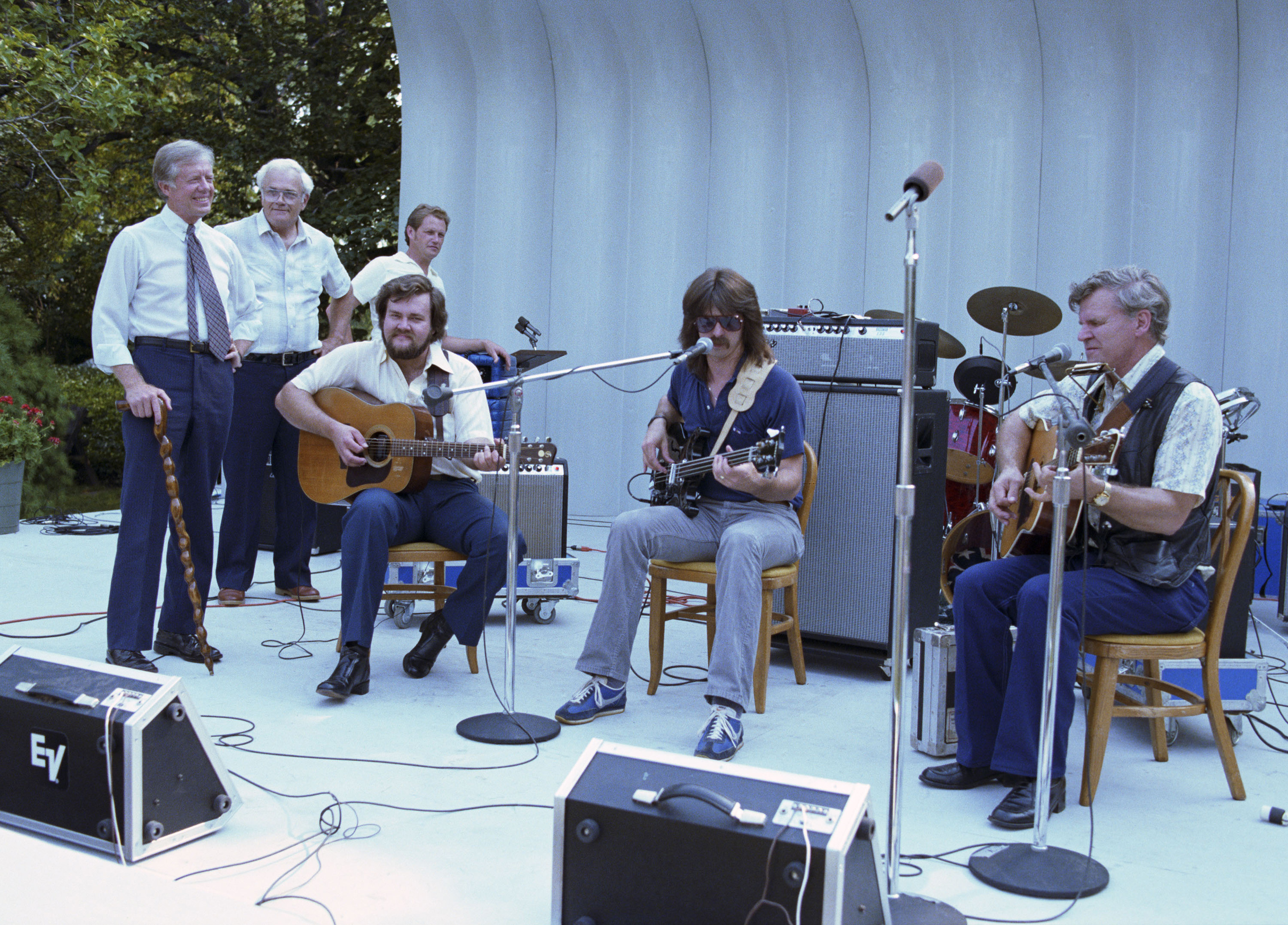
Bluegrass Music and Mental Health: The Therapeutic Benefits
Bluegrass can do a lot of things, but one of its most underrated talents is helping a nervous mind unclench. The music has momentum without being noisy, warmth without mush, and a built-in sense of human company. That combination makes it a surprisingly good companion for stress, loneliness, and the kind of low-grade overload that turns the day into a browser with 48 tabs open.

Music as Therapy
Music therapy is a recognized clinical field that uses music and musical relationships to support health goals. Bluegrass is not a substitute for professional mental health care, of course, but it shares a few features that make music feel restorative: steady rhythm, predictable structure, expressive melodies, and a strong sense of call and response.
For many listeners, those features can create a mental shortcut from scattered thoughts to something more organized. The ear has something to follow. The body can settle into the pulse. And the mind gets a brief vacation from doom-scrolling its own internal feed.
If you want a plain-language overview of the field, the Encyclopaedia Britannica entry on music therapy is a concise starting point. For a more practice-oriented view, the American Music Therapy Association explains how clinicians use music to support emotional and cognitive goals.
Bluegrass and Community Support
Bluegrass is rarely a lonely genre. It is built for picking circles, jam sessions, festivals, and front-porch gatherings where people trade songs the way other groups trade small talk. That social layer matters. Community connection is one of the clearest protective factors for mental well-being, and music can make connection easier by giving people a shared rhythm and a shared reason to show up.
That is one reason bluegrass events often feel less like performances and more like temporary villages with better sound quality. You do not need to be a virtuoso to benefit. Sometimes the simple act of listening with other people, or learning a tune with others, is the useful part.
For a broader look at how social connection affects health, the CDC’s social connectedness overview is helpful. And if you want to explore the genre’s community side, the International Bluegrass Music Association is a solid window into current bluegrass culture and events.
Personal Stories
Ask bluegrass fans why they keep coming back, and the answers often sound less like a music review and more like a survival note. One person talks about putting on a favorite instrumental album after a hard day. Another mentions how learning fiddle or banjo gave them a reliable place to put restless energy. Someone else says a weekly jam turned into a lifeline during a stretch of isolation.
The pattern is not magic. It is repetition, attention, and belonging. Music gives feelings a shape. Community gives them a place to land. Bluegrass happens to be especially good at both because it is intimate, acoustic, and deeply conversational. Every instrument gets a turn at the microphone, which is more civilized than most group chats.
There is also a gentle lesson in bluegrass itself: the best performances often depend on listening closely to everyone else. That is not a bad model for mental health, either.
Conclusion
Bluegrass cannot fix everything. No honest article should pretend it can. But it can support calm, connection, memory, movement, and a steadier emotional pace. For some people, that means a playlist. For others, it means a jam session, a festival weekend, or a quiet evening on the porch.
If you are curious, try one small experiment: put on a bluegrass recording with acoustic instruments only, listen for three full songs, and notice whether your shoulders lower by even one notch. Tiny but useful counts. Sometimes that is how good tools work, whether they are software, songs, or a friend with a banjo.
Return to the homepage to explore more Bluegrass101 articles, visit the blog index, or get in touch.