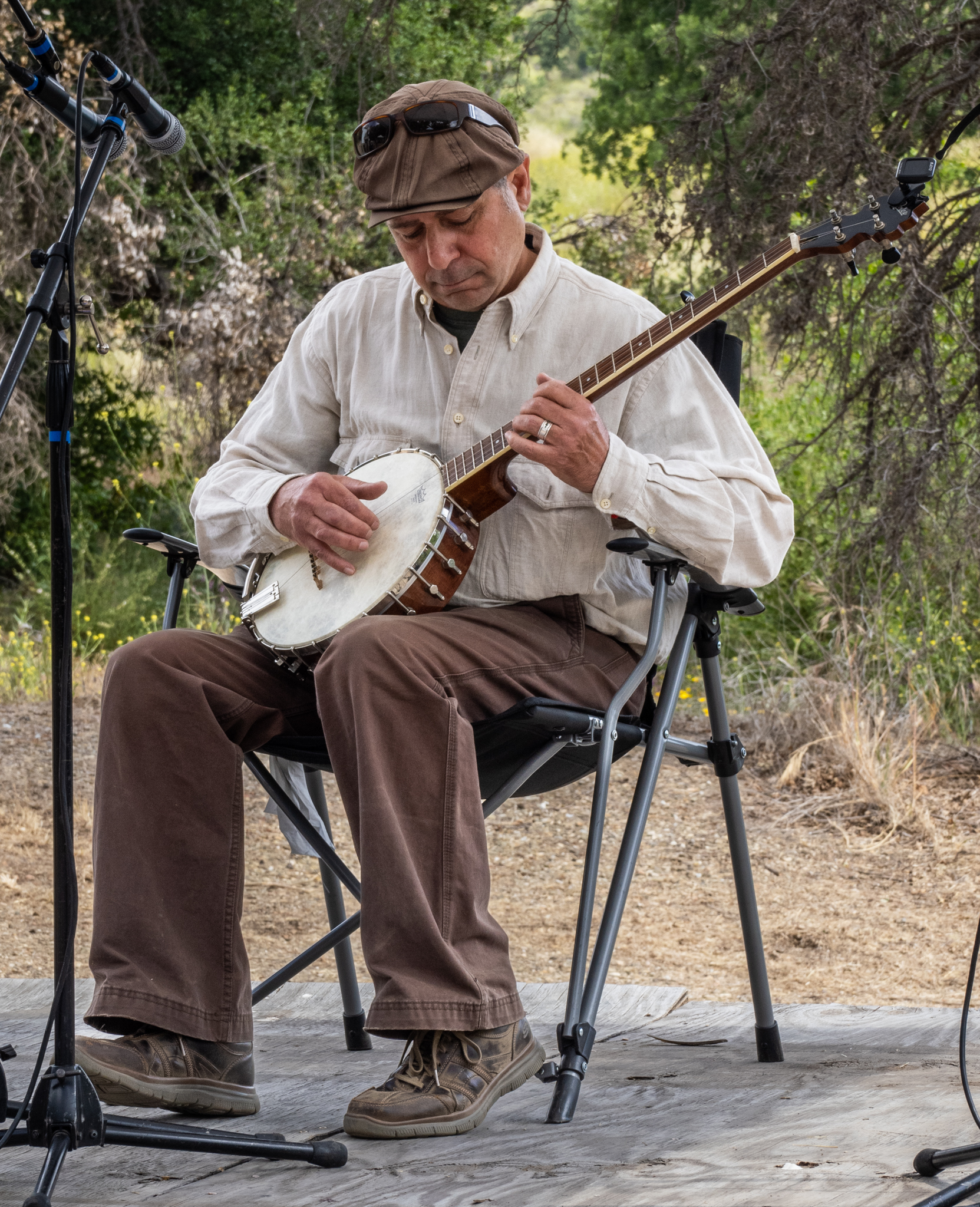
How to Start a Bluegrass Band: Tips and Tricks
Starting a bluegrass band is not mystical. It is mostly logistics, timing, and the discipline to keep rehearsals from turning into a friendly argument with instruments. The music rewards precision, listening, and some restraint, which is exactly why loose plans fail fast.

Introduction
Bluegrass works because each instrument has a job. The banjo drives, the mandolin chops, the fiddle sings around the melody, the guitar keeps time, and the bass stops everything from drifting into chaos. If you are starting a band, your first task is simple: build a group that can hold a tempo, hear each other, and stay in tune long enough to finish a set.
If you want a broader look at the music itself, start with the home page and browse more bluegrass articles. For collaboration or booking questions, use the contact page.
Finding Band Members
Do not start with “who is available.” Start with “who can actually play the parts.” Bluegrass punishes vanity and rewards reliability. You need people who show up, know their instruments, and can lock in with a group without needing a weekly seminar on basic rhythm.
- Look in local jam circles. Open jams are still the fastest way to see who can keep time without hiding behind volume.
- Use social media with purpose. Post a clear listing: instruments needed, skill level, rehearsal area, and whether you want originals, covers, or both.
- Check compatibility early. Ask about rehearsal frequency, transportation, gear, and goals before you spend a month pretending personality conflicts are “just growing pains.”
For background on bluegrass roots and instrumentation, the Britannica overview of bluegrass is a solid starting point. It will not book your band, but it will remind you what genre you are actually in.
Choosing a Band Name
A good bluegrass band name should be easy to remember, easy to say on stage, and hard to confuse with twelve other acts at the same festival. Avoid the temptation to make it “clever” at the expense of clarity. If people cannot repeat it after one mention, the name is doing marketing sabotage.
- Brainstorm names that match your sound and attitude.
- Search existing bands and basic trademark databases before you print anything.
- Say the name out loud in a stage announcement. If it sounds awkward, it probably is.
If you need a practical trademark check, the USPTO trademark search is the boring step that prevents future embarrassment.
Rehearsal Tips
Rehearsal is where amateur bands reveal whether they are a band or just a collection of opinions. Set rules before the first practice and keep them simple.
| Practice rule | Why it matters |
|---|---|
| Set a fixed schedule | Random rehearsal times produce random progress. |
| Use a shared song list | No one should arrive guessing what will be played. |
| Record rehearsals | What feels tight in the room often sounds sloppy on playback. |
| Limit side conversations | Talking is cheap; finished arrangements are not. |
Keep feedback blunt and specific. “That part drags” is useful. “Feel it more” is decorative nonsense. Bluegrass depends on listening, so rehearse with the intention of sounding like one rhythm section with melody lines, not five separate volunteer departments.
If you need a metronome or a rehearsal timer, basic tools from Music & Arts or a similar established music retailer are fine. The tool matters less than whether you use it.
Choosing Repertoire
Pick songs that fit the players you actually have, not the band you imagine after six months of ambition. A first set should include songs the group can play cleanly, sing without strain, and finish without pretending the train wreck was intentional.
- Mix originals and covers. Covers give the crowd a foothold; originals show whether your band has a point of view.
- Match songs to strengths. If your fiddle player can carry a melody, let that happen. If your singer strains on high leads, stop writing setlists that punish them.
- Keep the tempo honest. A song that sounds good at half speed is not yet performance-ready.
For a useful reference on repertoire building and performance standards, the Bluegrass Music Hall of Fame & Museum education resources can help you stay grounded in the tradition without turning the set into museum cosplay.
Promoting Your Band
Promotion is not a magic trick. It is repetition, clarity, and making it easy for venues to understand what you do. Bluegrass audiences still respond to word of mouth, local scenes, festival networking, and dependable live shows that do not fall apart after the second chorus.
- Keep social posts consistent. Share rehearsal clips, gig dates, and short band introductions.
- Build a basic press kit. Include a short bio, a few good photos, contact information, and one clean audio sample.
- Reach out to local venues and festivals. Do not send a vague “we play music” message. Send something they can schedule.
Bluegrass promotion still depends on community as much as algorithms. The International Bluegrass Music Association is a useful place to understand the larger scene and where professional standards tend to sit.
Conclusion
Starting a bluegrass band comes down to a few unglamorous things: find reliable players, rehearse on purpose, choose songs you can actually perform, and promote the group like you expect someone to show up. That is the work. Everything else is stage smoke.
If you handle the basics well, the band gets louder, tighter, and easier to book. If you ignore them, you get arguments with a logo. One of those travels. The other just sits in a group chat.