How to Organize a Bluegrass Jam Session
Introduction
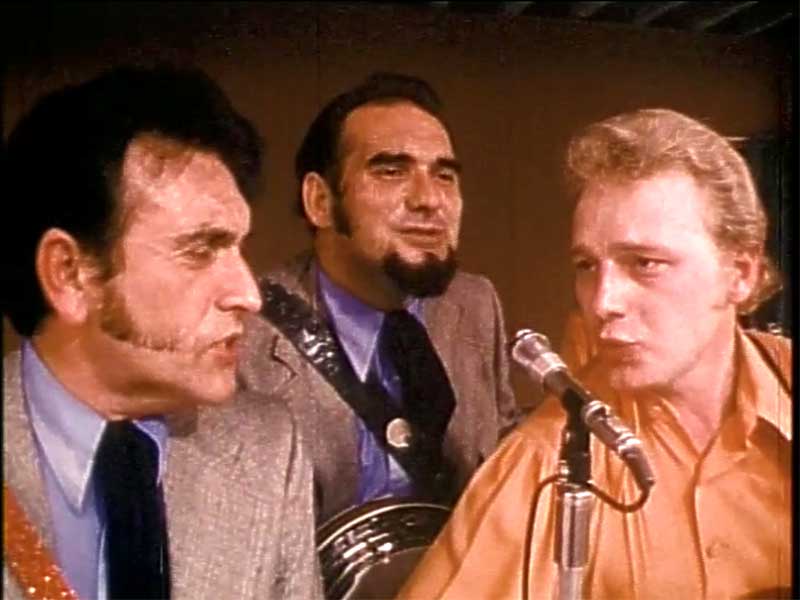
A bluegrass jam session is a shared, informal performance where musicians gather to play traditional tunes, swap solos, and build time together. It works best when the group has a clear purpose: make music, make room for others, and keep the pace moving. The format is simple. The organization is not.
For a useful overview of the genre’s acoustic roots and ensemble style, Smithsonian Folkways’ bluegrass history guide is a strong reference. If you are planning your own session, the goal is not to stage a concert. It is to create a space where players feel invited to contribute.
For related articles on the site, you can also visit the blog, return to the homepage, or contact us if you want to share a local jam idea.
Choosing a Location
The right location does three things: it fits the group, it supports the instruments, and it lowers friction for participants. A jam session needs enough space for a circle or semicircle of musicians, plus a little room for listeners if you expect them.
- Size: Leave enough space for an upright bass, a few chairs, and players who want to move in and out without disruption.
- Acoustics: A room with moderate natural echo is often better than a dead, carpet-heavy space that makes acoustic instruments sound flat.
- Access: Choose a place with simple parking, clear entry, and reasonable accessibility for older musicians or people carrying instruments.
- Comfort: Pay attention to lighting, temperature, seating, and nearby restrooms. Small comforts keep people longer.
Outdoor locations can work well in good weather, but wind and uneven sound levels can make coordination harder. Indoors is usually the safer default unless the session is meant to be casual and temporary.
For additional venue-planning perspective, the International Bluegrass Music Association is a useful industry reference point, and its festival resources show how much presentation still depends on practical logistics.
Gathering Musicians
The best jam sessions are rarely built from one invitation. They are assembled through steady, direct outreach. Start with musicians you already know, then widen the circle.
- Post the time, location, style, and expected skill level in local music groups.
- Invite a few dependable players first so the session has a stable core.
- Make it clear whether beginners are welcome, and if so, how they should participate.
- Ask each musician to confirm one or two songs they are comfortable playing.
Diversity helps. A mix of lead players, rhythm players, and singers keeps the session from becoming a slow-motion argument over who knows the bridge. Different skill levels also help if you want the jam to feel welcoming instead of guarded.
If you need a simple public reference for bluegrass style and instrumentation, Smithsonian Music’s country music spotlight explains the genre family in a way that is easy to share with new participants.
Setting Guidelines
Clear guidelines prevent most of the avoidable problems. They do not need to be formal. They do need to be explicit.
| Decision area | Reasonable default |
|---|---|
| Song length | Keep tunes moving; avoid long solos unless the group agrees otherwise. |
| Turn-taking | Use a visible cue or call order so players know when to join or step back. |
| Volume | Let acoustic instruments lead; reduce volume when singers or quieter instruments take the lead. |
| Beginners | Welcome them, but set expectations so they know when to play rhythm and when to listen. |
One practical approach is to name a session host who keeps the flow moving. That person does not control the music. They protect the rhythm of the gathering. There is a difference, and it matters.
If you want a broader framework for community events and participant expectations, the dictionary definition of “jam” is less useful than local norms, but it does reinforce the core idea: shared improvisation, not private rehearsal.
Choosing Repertoire
Song choice determines whether the session feels fluid or awkward. A good repertoire mix gives experienced players enough familiar material while leaving space for new voices.
- Include a handful of standard bluegrass numbers that most local players will recognize.
- Rotate in lesser-known tunes so the session does not become repetitive.
- Ask participants to bring one song suggestion, then sort them by difficulty and familiarity.
- Keep an informal song list visible so players can prepare between rounds.
A useful rule: start with common material, then add variety once the group is locked in. If the room is still learning each other’s timing, complicated arrangements are a tax on everyone’s patience.
For a good example of how bluegrass traditions are framed in current public resources, Smithsonian Folkways’ Bill Monroe feature offers useful context for repertoire grounded in the genre’s roots.
Conclusion
Organizing a bluegrass jam session comes down to a few decisions made well: choose a comfortable location, invite the right mix of musicians, set simple rules, and keep the song list varied enough to stay interesting. If you handle those basics, the music usually takes care of the rest.
Start small if needed. A modest, well-run jam is better than an overplanned one that never gets off the ground. Decide on the time, send the invitations, and make the first session easy to join. Bluegrass rewards momentum.
When you are ready to plan the next step, browse the blog for more bluegrass guides, return to the homepage, or contact us with questions about hosting your own session.